
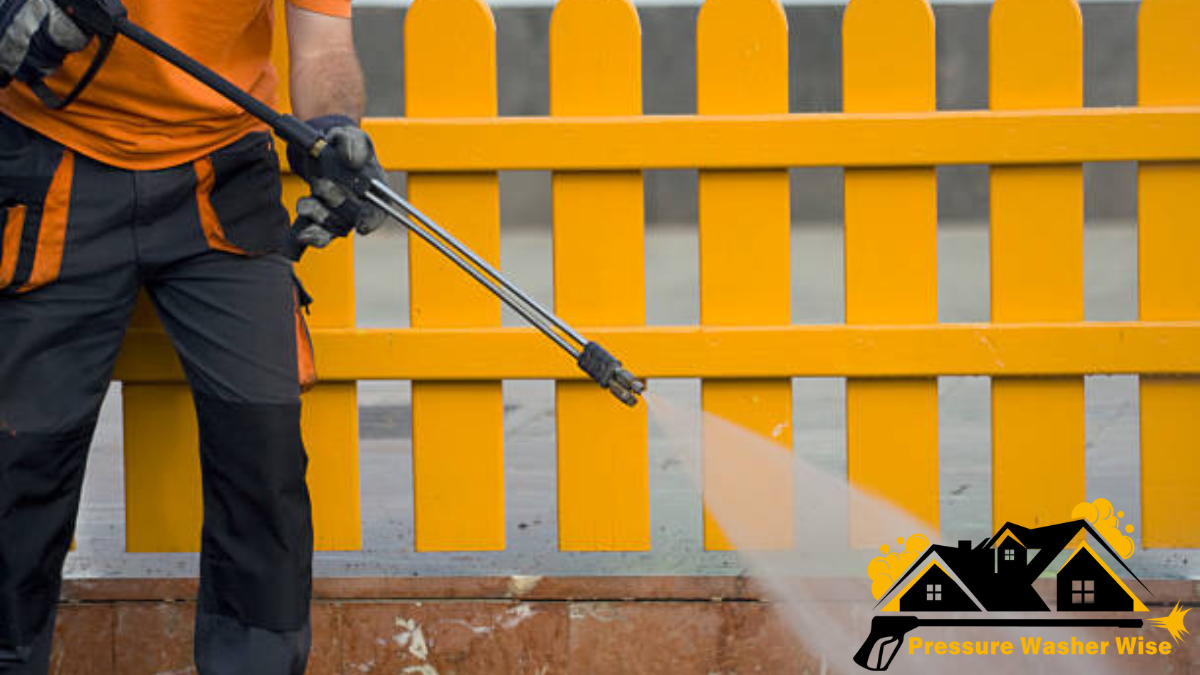
In 2025, gas pressure washers are expected to be the most powerful and in-demand cleaning machines for homeowners and professionals in the United States. When people search for the best gas pressure washer 2025, they are usually looking for serious performance — higher PSI, stronger water flow, better durability, and faster cleaning results than any electric model can offer.
A heavy-duty gas pressure washer easily removes oil stains, mold, algae, tire marks, and baked-on grime from concrete, siding, decks, and commercial surfaces. Compared to electric units, gas models deliver higher PSI and GPM, making them the top choice for driveways, workshops, farms, and job sites.
If you want the best gas pressure washer for driveway cleaning, fence washing, or commercial work, gas is still king.
What Is a Gas Pressure Washer?
A gas pressure washer is powered by a gasoline engine, rather than an electric motor. This engine drives a high-pressure pump that delivers extreme cleaning force.
Unlike electric machines, gas washers:
• Perform consistently without outlets
• Deliver higher PSI and GPM
• Handle large and dirty jobs
• Survive heavy usage
That’s why professional users prefer commercial gas pressure washers over electric models.
How It Works
A gas-powered engine:
- Drives the water pump
- Increases water pressure (PSI)
- Boosts flow rate (GPM)
- Forces water through heavy-duty hoses and nozzles
This creates the kind of pressure needed to attack:
• Grease
• Moss
• Rust stains
• Ground-in dirt
• Concrete discoloration
Best Uses for Gas Pressure Washers
Heavy Driveway Cleaning
The best gas pressure washer for driveway surfaces removes:
- Oil stains
- Tire marks
- Mud
- Algae
- Mold growth
Gas models with 3000 PSI or more restore concrete far better than electric washers.
Farm and Outdoor Equipment Cleaning
Gas pressure washers dominate:
- Tractors
- Construction tools
- Agricultural machines
- Lawn equipment
If you’re searching for a pressure washer for farm use, gas is non-negotiable.
Large Building and Commercial Cleaning
A commercial gas pressure washer handles:
- Warehouses
- Parking areas
- Siding
- Large flooring
- Indus
- rial jobs
Engine Types in Gas Pressure Washers
2-Stroke Engines
• Lightweight
• Basic design
• Oil-fuel mixing required
• Not ideal for heavy use
4-Stroke Engines (Best Choice in 2025)
• More efficient
• Longer lifespan
• Lower vibration
• Easier maintenance
Recommended Option
Choose 4-stroke engines if you want reliability in your gas pressure washer.
Pump Systems in Gas Pressure Washers
Axial Cam Pumps
• Cost-effective
• Shorter lifespan
• Best for homeowners
Triplex Pumps (Professional Grade)
• Triplex pump gas pressure washer systems are rebuildable
• Better cooling
• Higher durability
• Commercial-grade pressure output
Recommended Option
If longevity is a concern, a triplex pump pressure washer is worth the extra cost.
Hose and Frame Quality
Hose Strength
Look for:
• Steel-braided hose
• Rubber coating
• Burst-resistant construction
Frame Construction
High-quality machines include:
• Welded steel frames
• Anti-rust coatings
• Large transport wheels
These features define a professional gas pressure washer.H2: Real Power Testing Results
Concrete Cleaning Test
Gas washers easily:
- Strip oil stains
- Remove algae layers
- Blast deep dirt from cracks
Gase and Oil Removal
The combination of high PSI and hot water (if supported) destroys heavy grease.
Safety Features in Modern Gas Pressure Washers
Must-Have Safety Systems
• Low-oil shutdown
• Thermal relief valve
• Trigger lock
• Vibration dampers
User Safety Tips
• Wear eye protection
• Never use 0° tips randomly
• Avoid standing too close
• Don’t spray people or animals
Fuel Consumption and Efficiency
Typical Fuel Use
Most gas washers consume:
• 0.5–1 liter/hour
• Larger engines use more
How to Improve Efficiency
• Use the ect nozzle
• Turn off the engine when idle
• Clean in planned sections
Maintenance Guide for Gas Pressure Washers
Daily Care
• Check oil level
• Inspect the hose
• Clean water filter
Monthly Service
• Replace oil
• Clean air filter
• Inspect the pump
Proper care ensures your gas pressure washer runs smoothly for years.
How to Choose the Best Gas Pressure Washer in 2025
Step 1 – Choose PSI Wisely
Recommended PSI by Task
| Task | Recommended PSI |
|---|---|
| Car washing | 1500–2000 |
| Driveway cleaning | 2800–3200 |
| Farm / Commercial | 3500+ |
Note: Use the lower end of the range for delicate surfaces and the higher end for heavy-duty cleaning. Always follow the equipment manufacturer’s recommendations.
Step 2 – Select Engine and Pump
Always choose:
• 4-stroke engines
• Triplex pumps (if possible)
• Heavy steel frames
Step 3 – Accessories Matter
Buy only units with:
• 30+ ft hose
• Multiple spray tips
• Strong spray gun
Common Buying Mistakes
Mistake 1 – Low PSI for Big Jobs
You cannot clean concrete properly with a pressure below 2800 PSI.
Mistake 2 – Ignoring Pump Type
Axial pumps wear out fast.
Mistake 3 – No Safety Features
Cheap machines fail dangerously.
Who Should Buy a Gas Pressure Washer?
- Homeowners with large driveways
- Contractors
- DIY builders
- Farmers
- Business owners
❌ Apartment tenants
❌ Indoor cleaning users
❌ Noise-restricted areas
Best Gas Pressure Washer Buying Tips 2025
- 3000+ PSI
- 2.5+ GPM
- Triplex pump
- Steel frame
- Engine with low-oil protection
- Strong warranty
Final Thoughts
The best gas pressure washers of 2025 are designed for individuals who demand strong performance. If you want fast cleaning, deep power, and long-term durability, gas pressure washers consistently outperform electric ones.
Choose wisely — and you’ll own a machine that outperforms dirty driveways, moldy patios, and stubborn stains for years.