#saftey_tips

Battery-powered pressure washer cleaning a car and patio — 8 best battery pressure washers (2025 tested), PSI, battery life and noise-level comparison
Safety Tips

Safe Pressure Washing Around Your Home

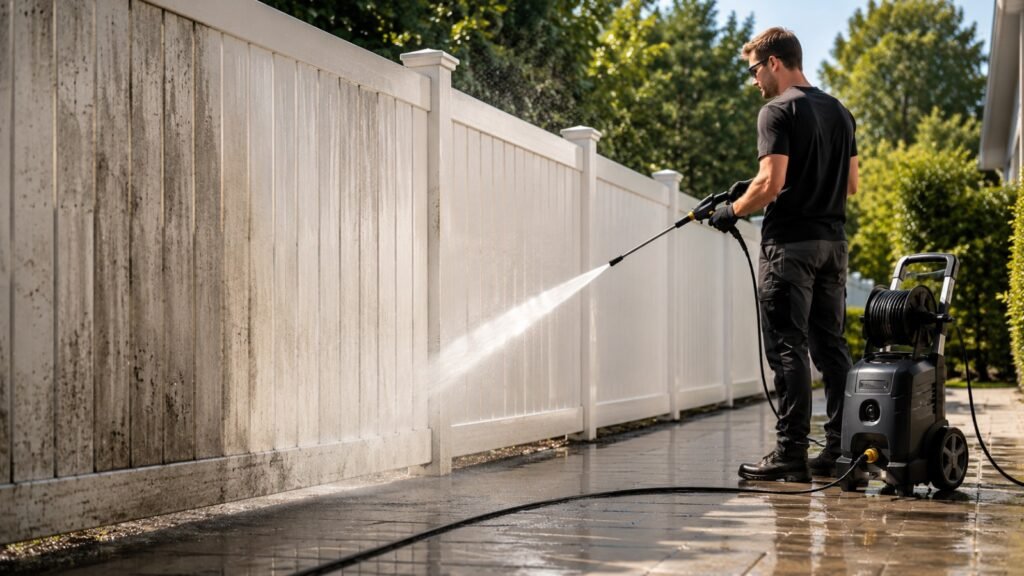
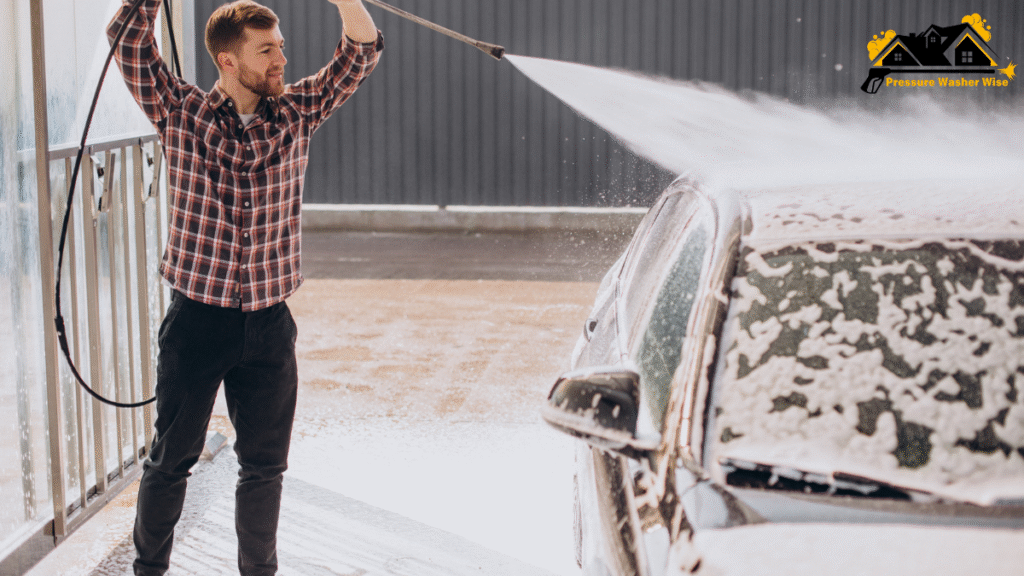
Safe Pressure Washing Around Your Home Pressure washing is an excellent way to maintain your home’s exterior, but every surface requires a different cleaning approach. Using the wrong pressure or nozzle can damage paint, wood, glass, and other materials. Here’s how to safely clean common areas around your home. 1. Windows Windows require extra care. Tips: Use a 40° nozzle. Keep the nozzle at least 2 feet away. Avoid spraying directly at window seals. Never use high pressure on old or damaged glass. 2. Cars When washing vehicles: Use 1200–1900 PSI. Select a 40° nozzle. Maintain a distance of 12–18 inches. Use automotive shampoo instead of household detergents. 3. Roof Roof cleaning requires caution. Avoid: Walking on wet roofs. Using excessive pressure on shingles. Spraying upward beneath roofing materials. Use a low-pressure cleaning method or consult a professional for delicate roofing materials. 4. Wood Deck Wood can splinter if cleaned incorrectly. Best practices: Use 1500–2000 PSI. Spray with the wood grain. Keep the nozzle moving continuously. Test a small hidden area first. 5. Vinyl Siding Vinyl siding is easy to clean but should be washed carefully. Recommendations: Use a 25° or 40° nozzle. Spray downward, not upward. Avoid forcing water behind the siding. 6. Concrete Concrete can handle higher pressure than most surfaces. Use: 2500–3000 PSI 15° or 25° nozzle Surface cleaner attachment for large areas Work in overlapping passes for even cleaning. General Safety Tips ✔ Read the user manual. ✔ Wear safety goggles and gloves. ✔ Remove obstacles before cleaning. ✔ Test pressure on a small area first. ✔ Use the correct nozzle for each surface. Conclusion Every surface around your home requires a different pressure washing technique. By selecting the correct PSI, nozzle, and cleaning method, you can safely remove dirt and grime while protecting your property from unnecessary damage. Regular maintenance combined with safe pressure washing practices will keep your home looking its best throughout the year.  
Safety Tips

Common Pressure Washer Accidents and How to Avoid Them?

Common Pressure Washer Accidents and How to Avoid Them Although pressure washers are designed to make cleaning easier, improper use can lead to accidents and injuries. Understanding common hazards helps you operate your machine more safely and confidently. 1. Injection Injuries High-pressure water can penetrate the skin, even if the wound appears small. To avoid injury: Never point the nozzle at yourself or others. Keep both hands on the spray gun. Release pressure before changing nozzles. Seek immediate medical attention if an injection injury occurs. 2. Electric Shock Electric pressure washers can present a shock hazard if used improperly. Prevent electric shock by: Using GFCI outlets. Keeping plugs and cords dry. Inspecting cables before use. Never spraying electrical fixtures. 3. Slips and Falls Wet surfaces become slippery during pressure washing. Reduce the risk by: Wearing non-slip footwear. Keeping hoses organized. Walking carefully on wet surfaces. 4. Flying Debris Pressure washers can launch small stones, wood chips, and other debris at high speed. Always: Wear safety glasses. Remove loose objects before cleaning. Keep bystanders away from the work area. 5. Chemical Exposure Many cleaning solutions contain chemicals that can irritate skin and eyes. Safety tips: Wear gloves. Read product labels. Use only pressure washer-approved detergents. Avoid mixing different cleaning chemicals. Accident Prevention Tips ✔ Inspect equipment before use ✔ Wear protective clothing ✔ Use the correct nozzle ✔ Never spray people or pets ✔ Follow manufacturer instructions Conclusion Most pressure washer accidents can be prevented by following basic safety practices. Staying alert, wearing protective gear, and using the correct equipment will help ensure a safe and successful cleaning experience.

Safety Tips

Pressure Washer Safety Tips Every Beginner Should Know!

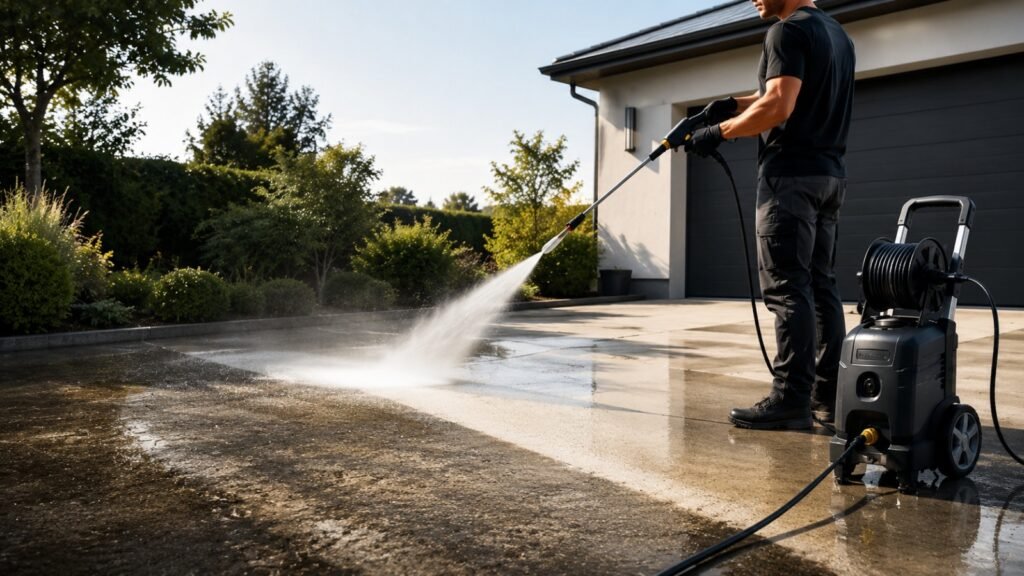
Pressure Washer Safety Tips Every Beginner Should Know Pressure washers are powerful cleaning tools that make outdoor cleaning faster and easier. However, the high-pressure water spray can cause injuries or property damage if used incorrectly. Whether you’re cleaning your driveway, patio, or vehicle, following basic safety guidelines is essential. 1. Wear Protective Equipment Always wear proper safety gear before operating a pressure washer. Recommended equipment: Safety glasses or goggles Waterproof gloves Closed-toe shoes or boots Long pants Hearing protection (for gas models) Protective gear helps prevent injuries from flying debris and high-pressure water. 2. Maintain a Safe Distance Never hold the spray nozzle too close to the surface. General recommendations: Cars: 12–18 inches Wood: 12 inches Concrete: 8–12 inches Start farther away and move closer only if needed. 3. Follow Electrical Safety If you’re using an electric pressure washer: Plug into a GFCI outlet. Keep electrical connections dry. Never spray electrical outlets. Avoid using damaged extension cords. Always disconnect power before performing maintenance. 4. Keep Children and Pets Away Children and pets should remain well away from the cleaning area. The powerful spray can cause serious injuries, and loose hoses may create tripping hazards. 5. Avoid Using Ladders Never use a pressure washer while standing on a ladder. The recoil from the spray gun can cause loss of balance and falls. Instead, use: Extension wands Telescoping poles Professional equipment for high surfaces Safety Checklist ✔ Wear protective gear ✔ Check hoses before use ✔ Keep a safe spraying distance ✔ Never point the spray at people ✔ Keep children and pets away ✔ Avoid ladders Conclusion Pressure washers are safe when used responsibly. Wearing proper protective equipment, maintaining a safe distance, and following electrical safety practices will help you complete your cleaning tasks safely and effectively.

Scroll to Top