Sun Joe SPX3000 Electric Pressure Washer Review: The Ultimate Budget Cleaning Powerhouse
Sun Joe SPX3000 Electric Pressure Washer Review: The Ultimate Budget Cleaning Powerhouse
Keeping your home’s exterior, driveway, patio, and vehicles clean requires consistent effort. While heavy-duty gas pressure washers offer massive power, they often come with high price tags, heavy frames, noisy engines, and constant mechanical upkeep. For most homeowners, an affordable, quiet, and user-friendly electric unit is the sweet spot.
Enter the Sun Joe SPX3000 electric pressure washer.
Widely recognized as one of the best-selling residential pressure washers on the market, this versatile machine is engineered to deliver reliable cleaning performance at an accessible price point. In this comprehensive Sun Joe SPX3000 electric pressure washer review, we will dive deep into its core specifications, standalone features, real-world applications, maintenance requirements, and how it performs against top competitors.
Quick Specs Overview: Sun Joe SPX3000
|
Specification |
Feature Details |
|
Model |
Sun Joe SPX3000 |
|
Motor |
14.5-Amp / 1800-Watt Motor |
|
Max Pressure Output |
2030 PSI (Pounds per Square Inch) |
|
Max Water Flow Rate |
1.2 GPM (Gallons per Minute) |
|
Total Cleaning Units (CU) |
~2,436 Max CU (PSI × GPM) |
|
Spray Lance |
34-inch Stainless Steel Spray Lance with Brass Fittings |
|
Pump Type |
Wobble Plate Axial Cam Pump |
|
Dual Detergent Tanks |
Two 0.9 L (0.24 Gal) Removable Onboard Tanks |
|
Safety Feature |
Total Stop System (TSS) |
|
Power Cord Length |
35 ft. with GFCI Protection |
|
High-Pressure Hose |
20 ft. High-Pressure Hose |
|
Nozzle Attachments |
5 Quick-Connect Tips (0°, 15°, 25°, 40°, Soap) |
|
Weight |
~31 lbs |
What Makes the Sun Joe SPX3000 Stand Out?
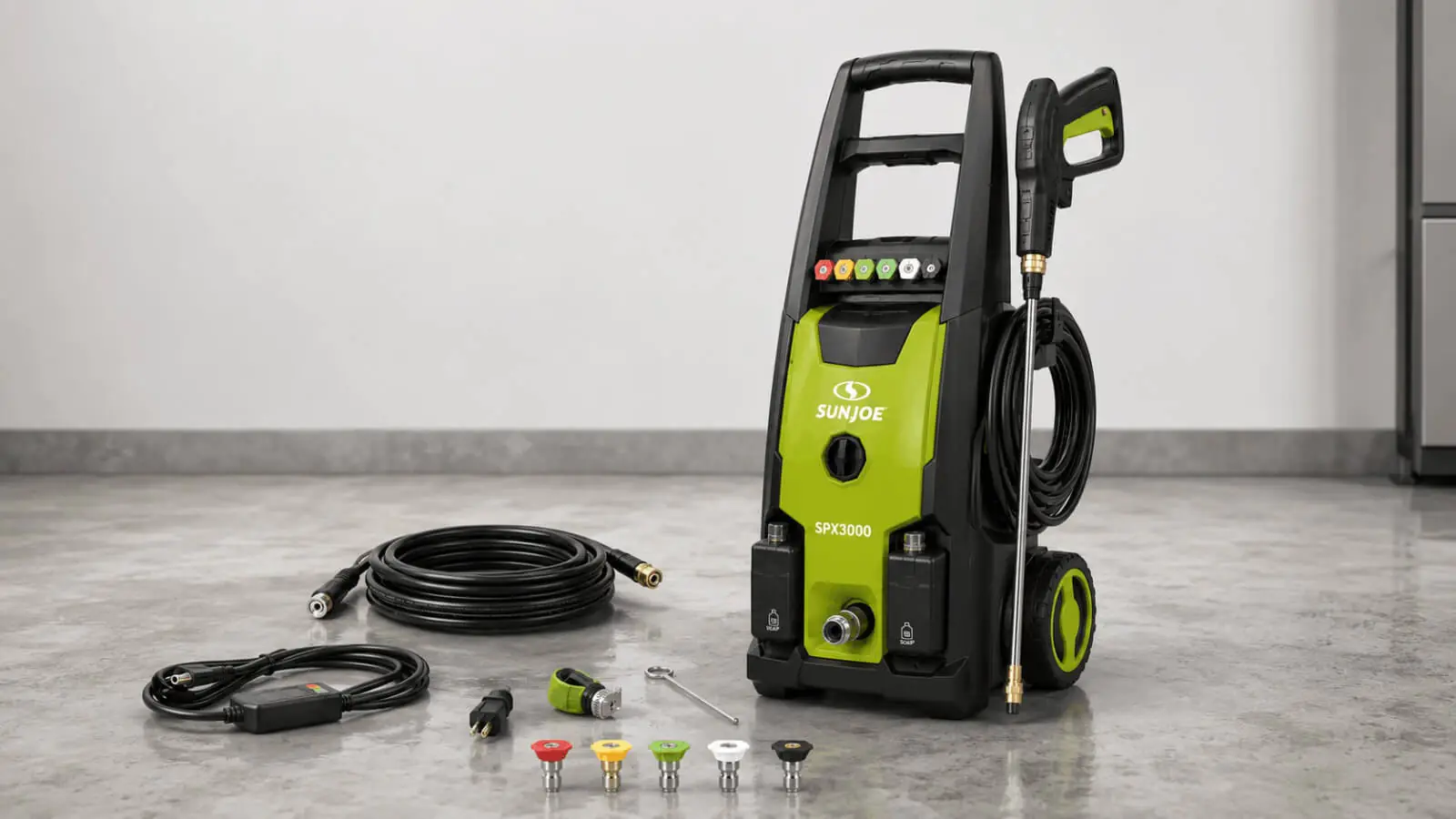
The market for residential pressure washers is filled with options, but the Sun Joe SPX3000 2030 PSI 1.2 GPM unit consistently ranks as a fan favorite. It strikes an optimal balance between cleaning power, portability, and value.
The core reasons behind its popularity include:
- Dual Detergent Tank System: Allows you to carry two different cleaning solutions simultaneously in onboard 0.9L tanks and switch between them seamlessly.
- Tough Components for Everyday Use: Features a 34-inch stainless steel spray lance with brass fittings and a 20-foot high-pressure hose designed to support deep cleaning during routine outdoor maintenance.
- Total Stop System (TSS): Automatically shuts off the pump when the trigger is disengaged, saving energy and dramatically extending pump life.
- Versatile Quick-Connect Nozzles: Comes equipped with five color-coded spray tips out of the box for tailored cleaning intensity.
- Low Maintenance: No oil changes, gas refilling, spark plug maintenance, or carburetor tuning required.
In-Depth Feature Breakdown
1. Powerful 14.5-Amp / 1800-Watt Motor
At the heart of the Sun Joe SPX3000 is a heavy-duty 14.5-amp motor. Pushing up to 2030 PSI of water pressure and 1.2 GPM water flow, this motor generates enough hydraulic force to lift embedded dirt, moss, mildew, and grime from homes, driveways, vehicles, RVs, and outdoor equipment.
2. Dual Detergent Tanks
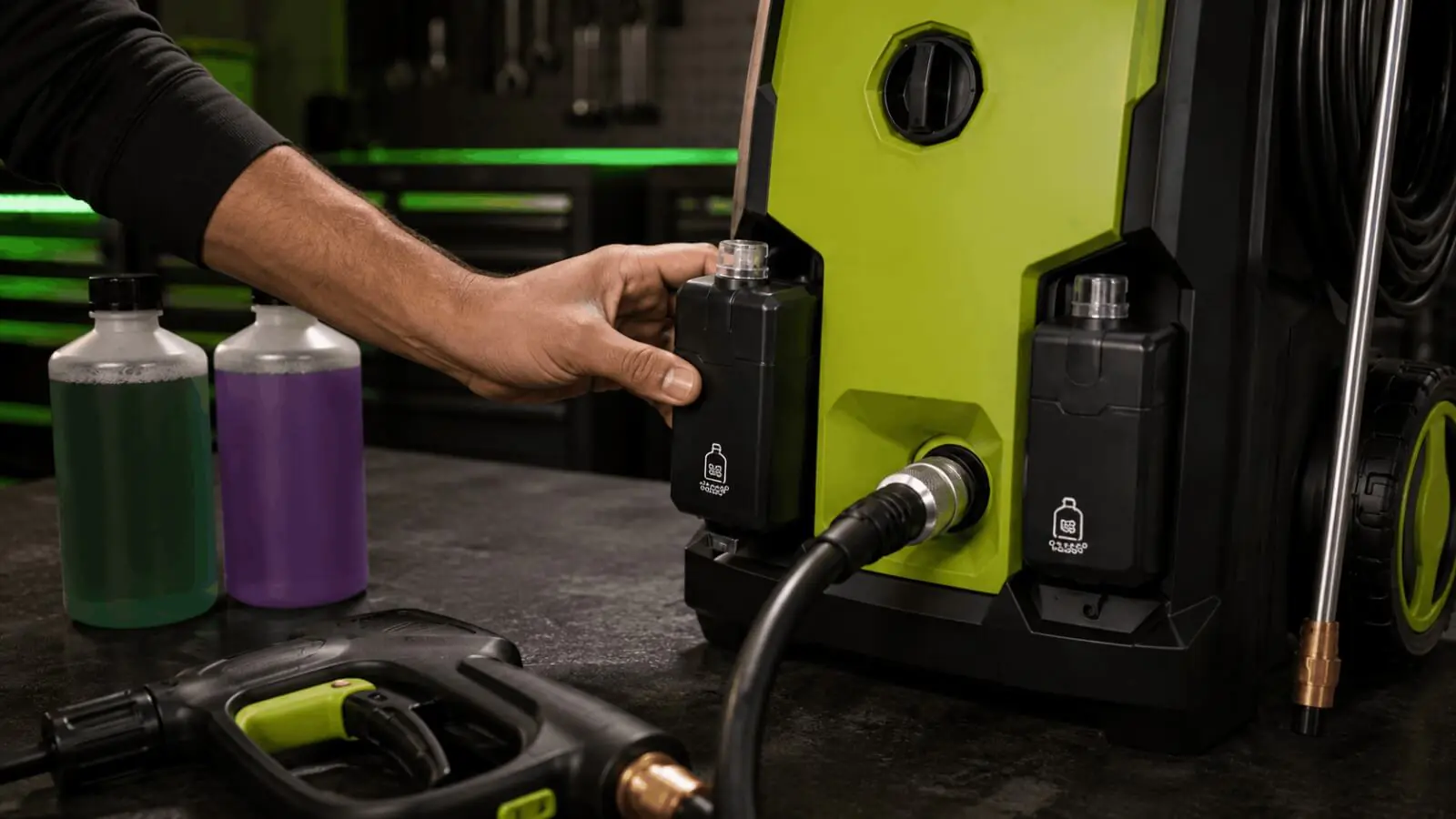
Unlike most entry-level electric pressure washers that feature either a single soap tank or an external siphon tube, the SPX3000 features dual detergent tanks.
Dual Storage Capacity: Two onboard 0.9-liter removable tanks allow you to carry two different cleaning agents (e.g., a car wash soap in one tank and a heavy-duty driveway degreaser in the other).
Detergent Selection Dial: A convenient selection knob lets you switch between tanks or adjust the chemical dilution ratio on the fly.
[ Tank A: Car Wash Soap ] ──┐
├──> [ Selection Dial ] ──> [ Low-Pressure Soap Nozzle ]
[ Tank B: Deck Cleaner ] ──┘
3. Total Stop System (TSS) Technology
One of the most impressive safety and durability features of the Sun Joe SPX3000 is its Total Stop System (TSS).
Automatic Pump Shut-Off: When you release the trigger wand, the internal switch detects the pressure lock and shuts off the motor entirely.
Extended Pump Life: Prevents the pump from running continuously in bypass mode, which overheating and wearing out internal seals in traditional units.
Energy Efficiency: Reduces electricity consumption and keeps the machine completely silent when you are resting or moving items out of the way.
4. 5 Quick-Connect Spray Nozzles Included
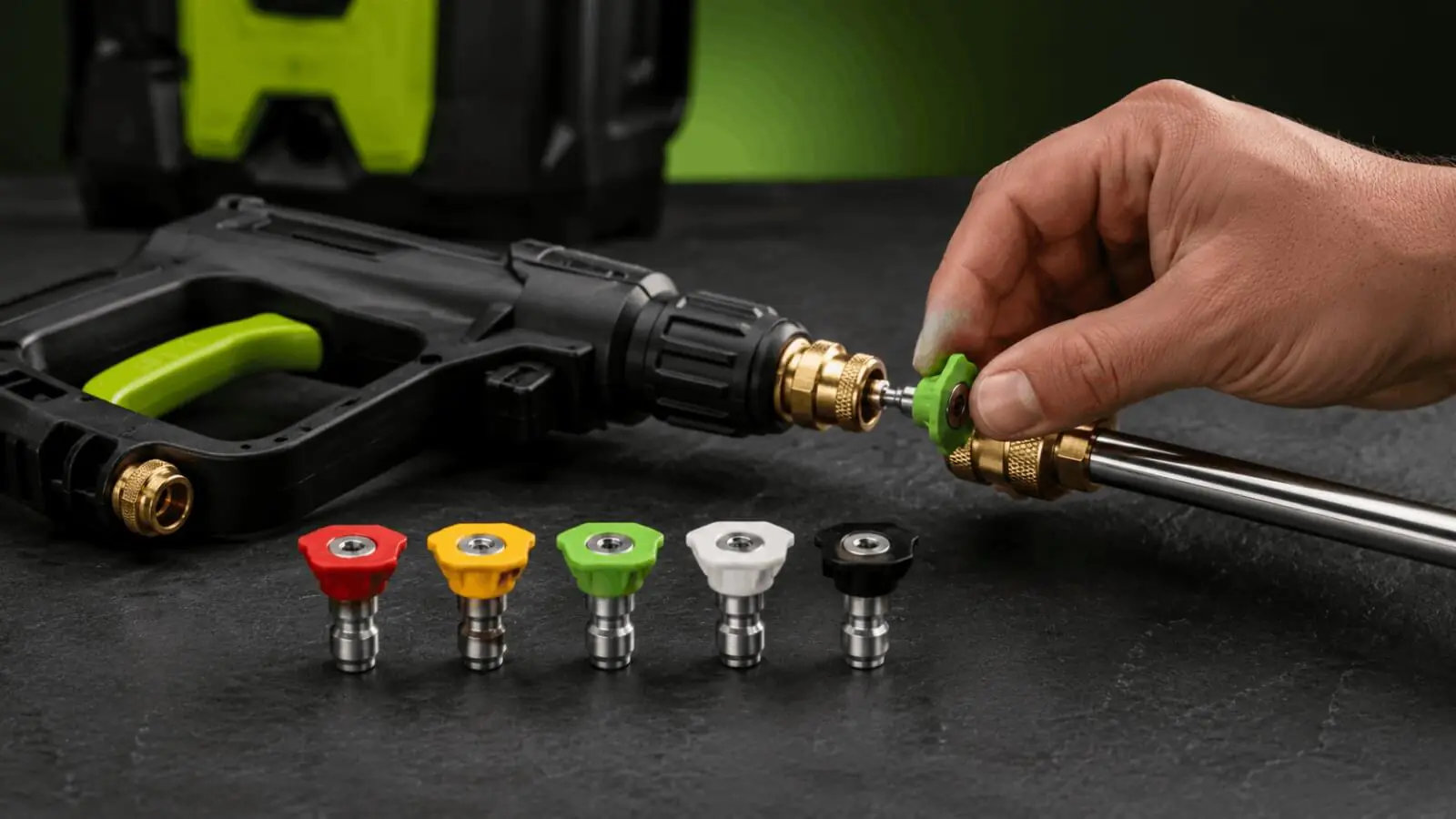
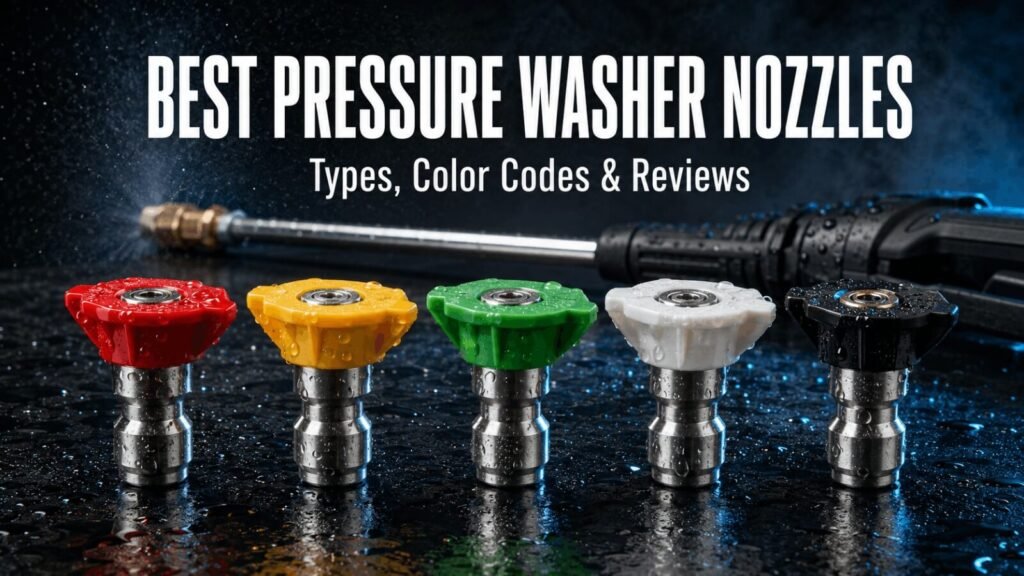
To adapt to different cleaning tasks without damaging delicate surfaces, the unit includes five quick-connect nozzle tips to switch between narrow jet streams and wider fan patterns:
- 0° (Red / Blaster): Delivers a pinpoint stream for tough spots, rust stains, or hard-to-reach crevices.
- 15° (Yellow / Stripping): A narrow spray pattern ideal for stripping paint, cleaning concrete, and removing heavy grease.
- 25° (Green / Cleaning): A versatile medium-angle spray suitable for sweeping away dirt from brick, wood decks, and stone patios.
- 40° (White / Washing): A wide-angle spray designed for broad, delicate surfaces like windows, vinyl siding, and cars.
- Soap (Black / Siphon): A low-pressure nozzle applicator that activates the dual detergent tank siphoning mechanism.
Performance in Action: What Can You Clean?
[ Light Cleaning: Cars, Windows, Patio Furniture, RVs ]
└── Uses 40° White Nozzle or Black Soap Nozzle with Foam Cannon
[ Medium Cleaning: Wood Decks, Fences, Vinyl Siding ]
└── Uses 25° Green Nozzle for balanced grime removal without wood splintering
[ Heavy Cleaning: Driveways, Sidewalks, Brick Mortar ]
└── Uses 15° Yellow Nozzle or 0° Red Nozzle for deep concrete agitation
1. Car Washing and Foam Cannon Compatibility
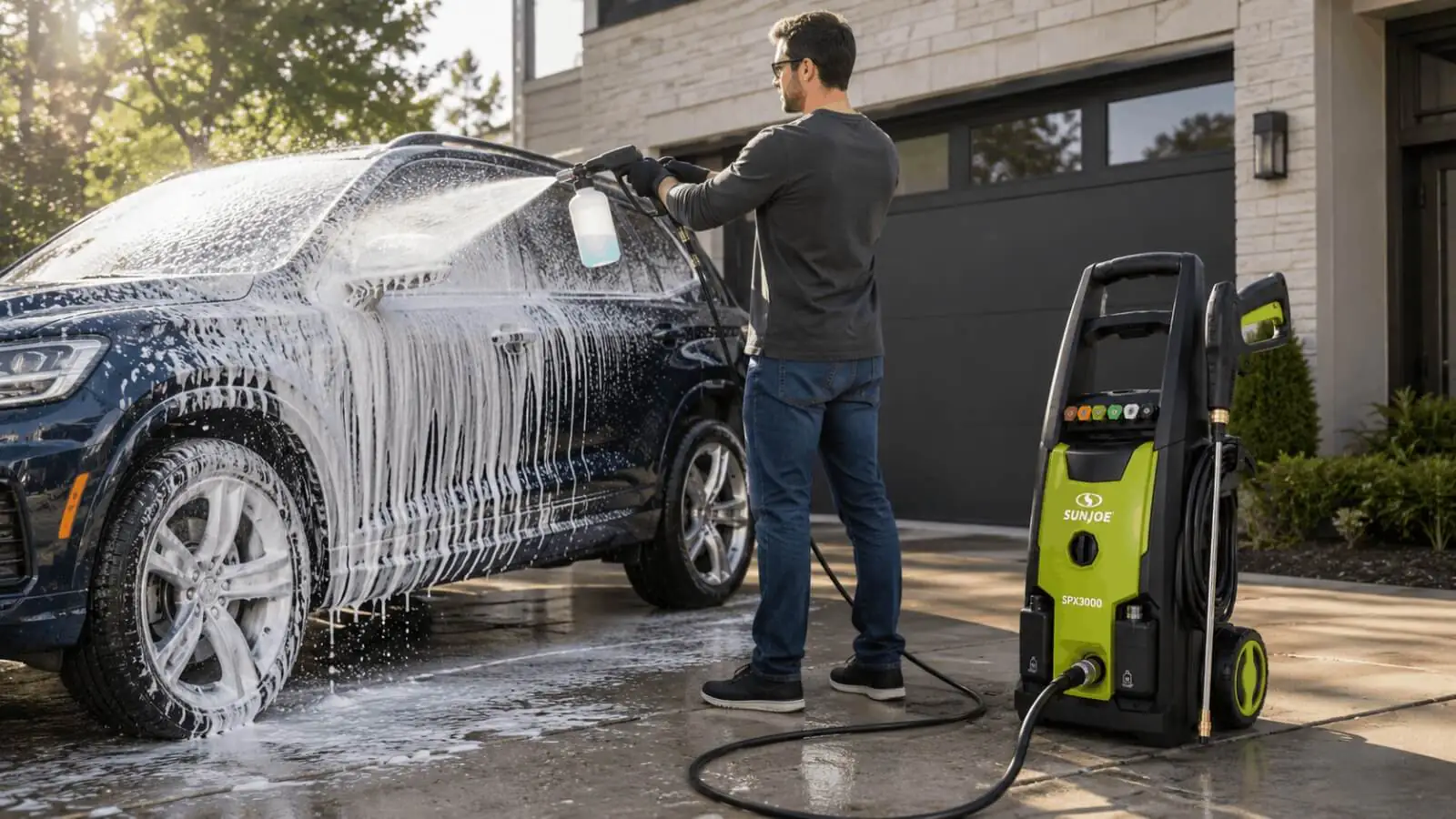
The Sun Joe SPX3000 for car washing and foam cannon setups is a top choice for auto detailers working on a budget. The 1.2 GPM water flow rate feeds aftermarket foam cannons effectively, producing rich foam that breaks down road film before hand washing.
Pro Tip for Auto Care: Stick to the 40° white nozzle or a dedicated foam cannon. Avoid using the 0° or 15° nozzles directly on vehicle clear coats, headlights, or side mirrors.
2. Patio, Deck, and Fence Restoration
Over time, wooden decks and composite patios gather green algae, mold, and grey oxidation. Using the 25° green quick-connect tip at a distance of 12 to 18 inches strips away organic growth safely without gouging soft cedar or pine boards.
3. Driveway and Concrete Cleaning
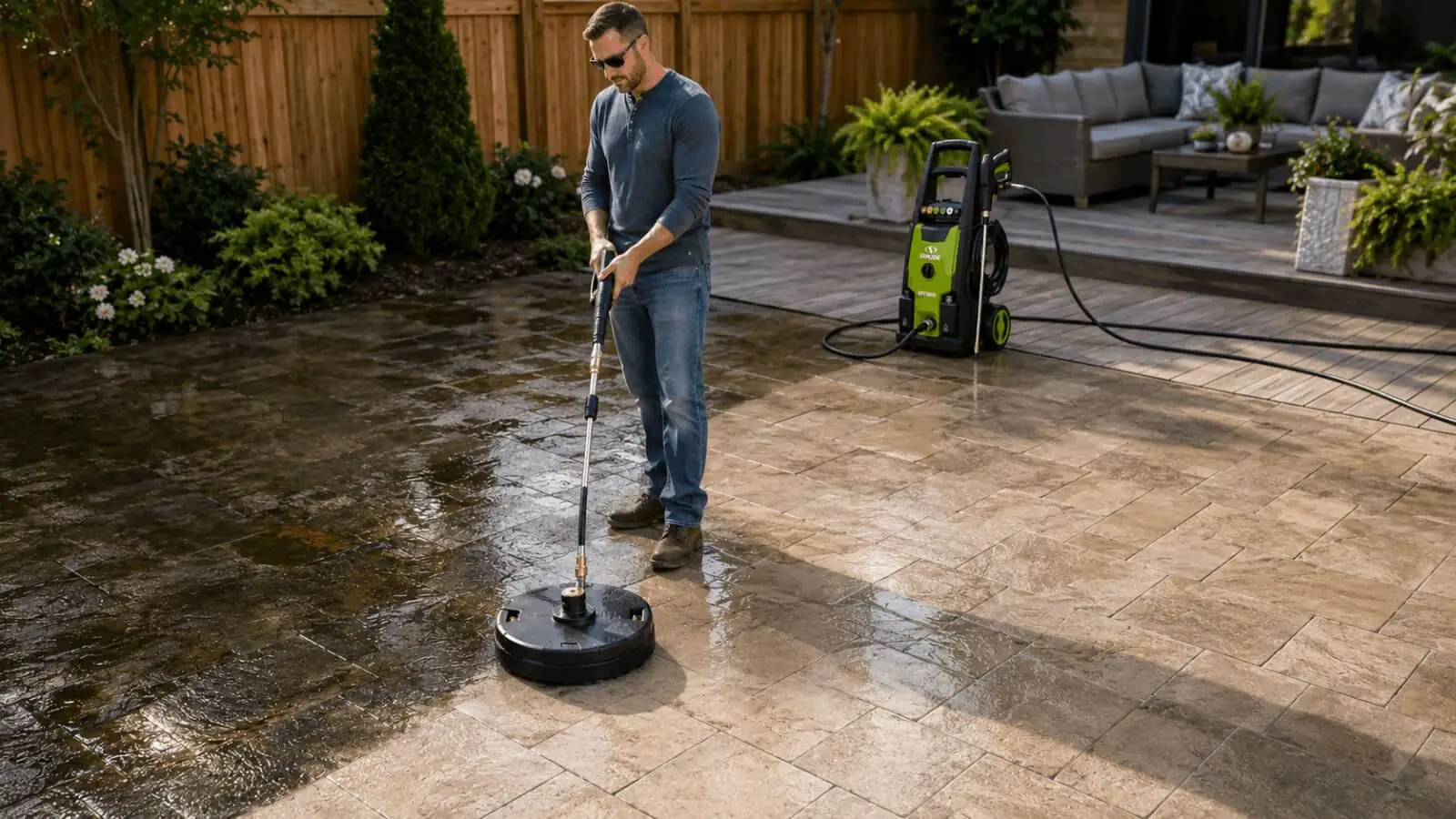
Concrete driveways and brick walkways absorb oil stains, tire marks, and dirt. Using the 15° yellow spray tip or pairing the machine with a compatible surface cleaner attachment lets you sweep through large concrete slabs quickly.
4. Vinyl Siding and House Exterior
With its 35-foot GFCI power cord, 20-foot high-pressure hose, and durable 34-inch stainless steel spray lance, the SPX3000 provides excellent operational reach from your power outlet. This allows you to walk around single-story homes to wash away dirt, pollen, and cobwebs from siding and soffits.
Sun Joe SPX3000 vs. Competitors
|
Feature |
Sun Joe SPX3000 |
RYOBI 2000 PSI |
Greenworks 2000 PSI |
Sun Joe SPX3001 |
|
Max PSI |
2030 PSI |
2000 PSI |
2000 PSI |
2030 PSI |
|
Max GPM |
1.2 GPM |
1.2 GPM |
1.2 GPM |
1.76 GPM |
|
Motor Power |
14.5-Amp |
13-Amp |
13-Amp |
14.5-Amp |
|
Spray Lance |
34″ Stainless Steel (Brass) |
Plastic / Metal |
Plastic / Metal |
Stainless Steel |
|
Detergent System |
Dual Tanks (0.9 L each) |
Single Onboard Tank |
Single Onboard Tank |
Single Onboard Tank |
|
Hose Management |
Storage Hooks |
Hose Strap |
Storage Hooks |
Integrated Hose Reel |
|
TSS Safety System |
Yes |
Yes |
Yes |
Yes |
|
Approx. Weight |
~31 lbs |
~29 lbs |
~28 lbs |
~32 lbs |
Sun Joe SPX3000 vs SPX3001: Which One Should You Choose?
A common question among buyers is the difference between the Sun Joe SPX3000 vs SPX3001. Both models feature 14.5-amp motors and 2030 PSI output, but differ in water flow and storage design.
Choose the SPX3000 if: You prefer dual 0.9L detergent tanks for carrying two types of soaps and want a slightly lighter, simpler frame with a 1.2 GPM flow rate.
Choose the SPX3001 if: You prefer an onboard hose reel to wind up the high-pressure hose and prefer a single large detergent tank instead of two separate ones.
Setup, Operation, and Maintenance Guide
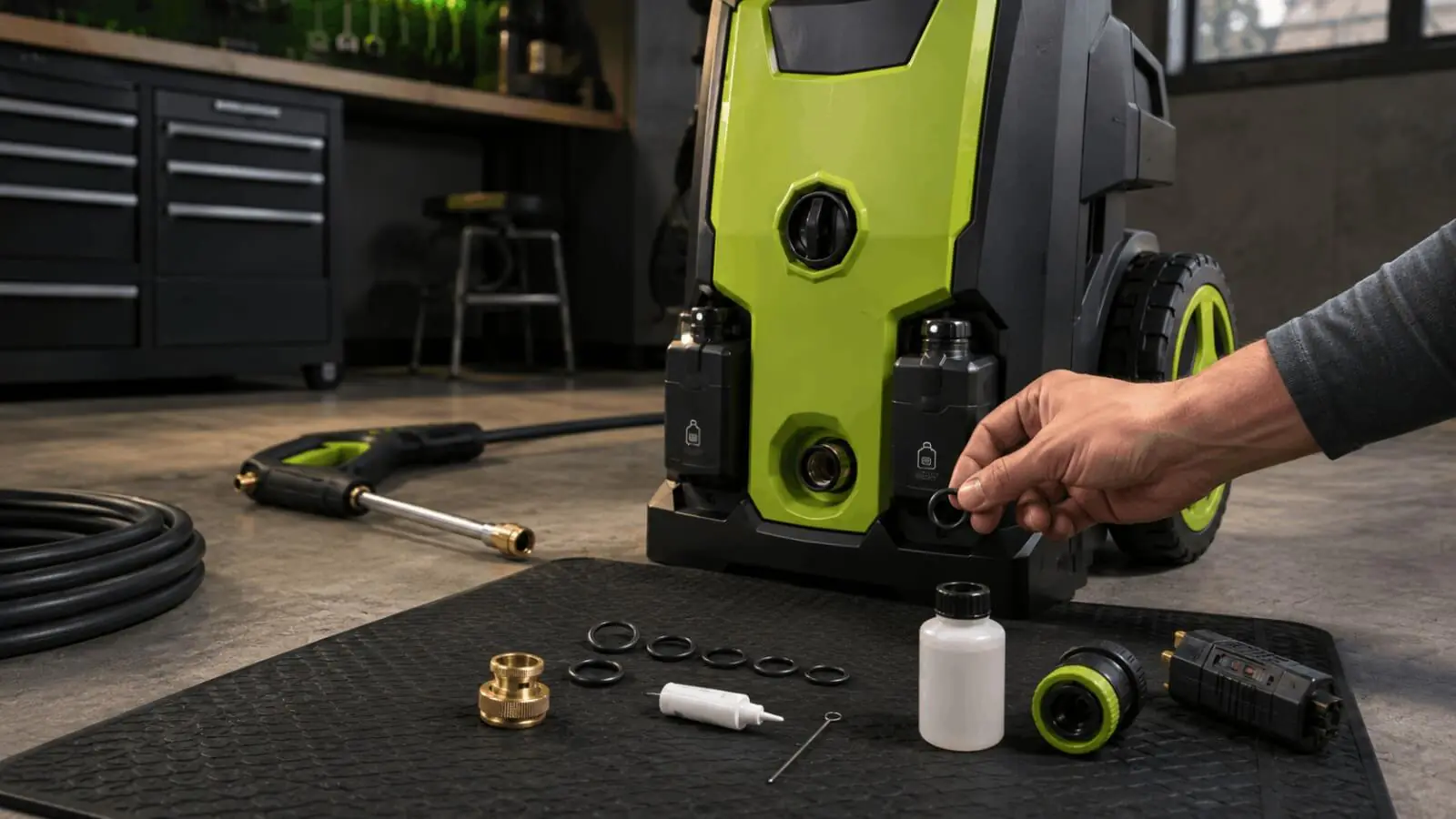
Proper setup prevents pump damage and ensures consistent water pressure throughout your cleaning session.
1. Step-by-Step Setup
- Attach the 20-foot high-pressure hose to the front water outlet on the machine and thread the other end tightly onto the 34-inch stainless steel spray lance.
- Connect your standard 5/8-inch garden hose to the rear water inlet.
- Turn on your outdoor water spigot completely.
- Purge the air: Before plugging in the unit, pull the wand trigger for 30 seconds until a steady, bubble-free stream of water comes out.
- Plug the 35-foot cord into an outdoor GFCI outlet and turn the power switch to ON.
[Attach Hoses] ──> [Turn Water Spigot ON] ──> [Purge Air (30s)] ──> [Plug GFCI] ──> [Switch ON]
2. Sun Joe SPX3000 Leaking Water Troubleshooting & Upgrades
If you notice water dripping from the garden hose connection, the issue is usually related to the stock plastic garden hose adapter or a missing rubber washer.
Brass Hose Adapter Upgrade: Replacing the stock plastic inlet fitting with a solid brass hose adapter upgrade fixes minor leaks and prevents cross-threading.
O-Ring Maintenance: Check internal rubber O-rings on the lance and hose connections periodically. Apply a thin layer of silicone grease to keep them soft and watertight.
3. Winterization and Off-Season Storage
If you live in a region with freezing winter temperatures, proper winterization is essential:
- Disconnect all hoses and drain excess water from the pump by tipping the unit sideways.
- Flush fresh water through the dual 0.9L soap tanks to remove dried detergent residue.
- Inject a pump protector / antifreeze fluid into the water inlet and pull the trigger once to coat the internal valves and seals before storing the machine in a dry garage or shed.
Pros and Cons of the Sun Joe SPX3000
Pros
- Unbeatable Value: Delivers feature-packed performance at an entry-level price point from the trusted Joe brands.
- Dual Soap Tanks: Convenient two 0.9L onboard tanks for switching between car shampoo and heavy-duty degreasers.
- Durable Construction: Equipped with a 34-inch stainless steel spray lance and brass fittings.
- Total Stop System (TSS): Saves energy and protects the internal pump mechanism.
- Complete Accessory Package: Comes with 5 quick-connect spray tips, a 35 ft GFCI cord, and a 20 ft hose out of the box.
- Lightweight & Portable: Weighing around 31 lbs with rear wheels, it is easy to maneuver around the yard and garage.
Cons
- Stock Plastic Fittings: The factory garden hose inlet fitting can be prone to leaking or wear over time (brass replacement recommended).
- Stiff High-Pressure Hose: The stock 20 ft hose can tangle or kink; upgrading to a flexible rubber/polyurethane hose improves maneuverability.
- Light-Duty Plastic Wand Latches: Wand holsters and cord hooks are plastic and require gentle handling.
Frequently Asked Questions (FAQs)
Q1. Can I use an extension cord with the Sun Joe SPX3000?
It is best to plug the 35-foot GFCI power cord directly into an outdoor wall receptacle. If you must use an extension cord, use a 13-amp or 12-gauge heavy-duty outdoor cord under 25 feet to prevent voltage drops that could overheat the motor.
Q2. Is the Sun Joe SPX3000 safe for washing cars?
Yes! The Sun Joe SPX3000 is widely used for automotive cleaning. Use the 40° white spray nozzle or connect an aftermarket foam cannon to safely wash paint, wheels, and glass.
Q3. What should I do if the machine loses pressure or surges?
Pressure loss or surging is usually caused by trapped air in the pump or a clogged nozzle tip. Turn off the machine, disconnect the nozzle, use the included needle tool to clear any dirt from the spray tip orifice, purge the water line without a nozzle attached, and try again.
Q4. Where can I find the Sun Joe SPX3000 owner manual and replacement parts?
The Sun Joe SPX3000 owner manual, replacement spray wands, O-rings, and brass hose adapters are available directly on the official Snow Joe / Sun Joe website or through major online hardware retailers.
Final Verdict: Is the Sun Joe SPX3000 Worth Buying?
If you are looking for an affordable, capable, and easy-to-use pressure washer for routine home, lawn, yard, garden, and garage maintenance, the Sun Joe SPX3000 remains one of the best budget electric pressure washers available.
Its dual 0.9L detergent tanks, durable 34-inch stainless steel spray lance with brass fittings, TSS safety technology, quiet electric operation, and full set of quick-connect nozzles make it versatile enough to wash vehicles, RVs, refresh decks, clean patio furniture, and scrub driveways. As long as you upgrade the stock garden hose fitting to brass and winterize the pump properly, this Sun Joe electric pressure washer will serve as a reliable household cleaning tool for years to come.
Helpful Resources
- Official Sun Joe SPX3000 product information
- Sun Joe product manuals
- Official SPX3000 assembly instructions
- Sun Joe pressure-washer troubleshooting guide
- Foam-cannon compatibility guide
- Sun Joe genuine replacement parts
- Pressure-washer leak prevention and maintenance
- CDC pressure-washer safety guidance