#pressurewasher

Troubleshooting

Why Won’t My Pressure Washer Start?

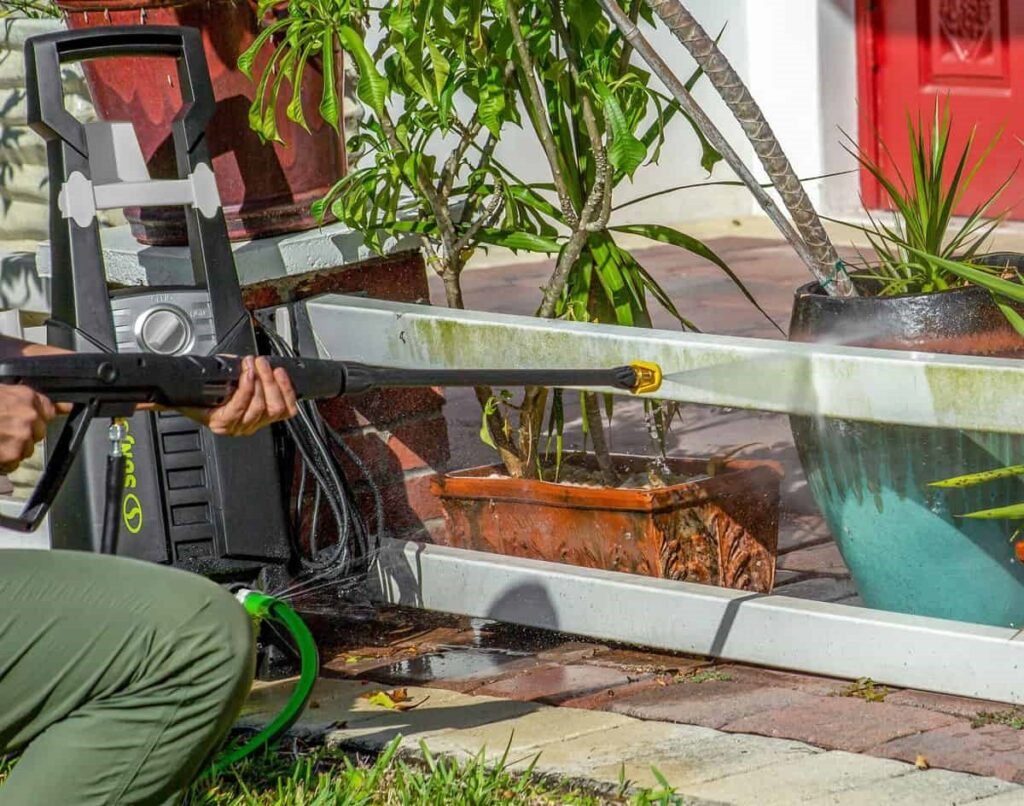
Why Won’t My Pressure Washer Start? A pressure washer that won’t start can be frustrating, especially when you’re ready to tackle a cleaning job. Fortunately, many starting problems are simple to diagnose and fix. Whether you own an electric or gas-powered model, this guide will help you identify the most common issues. 1. Electric Problems If you have an electric pressure washer: Check that the power cord is securely plugged in. Test the outlet with another appliance. Inspect the power cord for cuts or damage. Ensure the GFCI outlet hasn’t tripped. Sometimes the issue is simply a loose connection or a faulty outlet. 2. Gas Engine Problems For gas-powered models: Confirm there’s enough fuel in the tank. Make sure the fuel valve is open. Check that the choke is in the correct position. Verify the engine switch is turned ON. Old fuel left in the tank for months can also prevent the engine from starting. 3. Fuel Issues Stale gasoline is one of the most common causes of starting problems. To avoid this: Use fresh fuel. Add a fuel stabilizer if storing the machine for long periods. Drain old gasoline before refilling. 4. Check the Spark Plug A dirty or worn spark plug can prevent ignition. Inspect for: Carbon buildup Cracks Corrosion Loose connections Replace the spark plug if it’s damaged or excessively worn. 5. Inspect the Extension Cord For electric models, using the wrong extension cord may reduce power. Choose: Outdoor-rated cords Heavy-duty gauge Manufacturer-recommended length Avoid lightweight household extension cords. 6. Reset the Machine Many electric pressure washers have a reset or overload protection button. If the motor overheats: Turn off the machine. Allow it to cool. Press the reset button. Restart the pressure washer. Quick Troubleshooting Checklist ✔ Check power supply ✔ Inspect fuel ✔ Examine spark plug ✔ Test extension cord ✔ Press reset button ✔ Verify water supply Conclusion Most pressure washer starting problems can be solved with a few basic checks. Regular maintenance, fresh fuel, and proper storage will help keep your machine running reliably for years.
Maintenance

Pressure Washer Pump Maintenance Guide

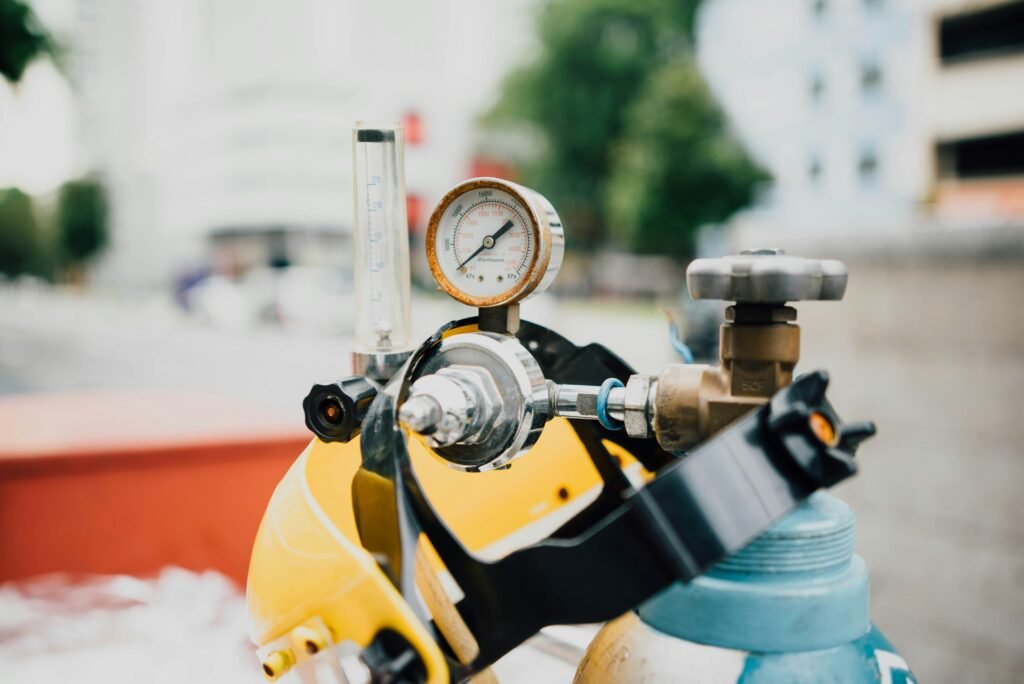
Pressure Washer Pump Maintenance Guide The pump is the most important component of a pressure washer. Proper pump maintenance helps maintain water pressure, improves cleaning performance, and extends the life of your machine. Why Pump Maintenance Matters A well-maintained pump: Delivers consistent pressure Prevents leaks Reduces repair costs Extends equipment lifespan Inspect the Pump Regularly Before each use: Check for water leaks. Look for cracks or damage. Listen for unusual noises during operation. Keep the Pump Clean Always use clean water. Dirty water can clog the pump and reduce performance. Clean the water inlet filter regularly. Change Pump Oil (Gas Models) Some gas pressure washers require pump oil changes. Follow the manufacturer’s maintenance schedule and use the recommended oil. Prevent Freezing Damage Before winter storage: Drain all water. Apply pump protector. Store indoors. Avoid Running Dry Never operate the pressure washer without a water supply. Running the pump dry can cause overheating and permanent damage. Signs Your Pump Needs Attention Watch for: Low pressure Water leaks Pulsating water flow Strange noises Difficulty building pressure Address these issues early to avoid more serious repairs. Conclusion Proper pump maintenance is essential for keeping your pressure washer operating efficiently. Regular inspections, clean water, proper storage, and routine servicing will help maximize performance and extend the life of your equipment.

electric pressure washer
Maintenance

How to Winterize a Pressure Washer?

How to Winterize a Pressure Washer If you live in an area with freezing temperatures, winterizing your pressure washer is essential. Water left inside the pump or hoses can freeze, expand, and cause expensive damage. Step 1: Turn Off the Machine Switch off the engine or unplug the electric model. Disconnect the water supply. Step 2: Drain All Water Remove: Garden hose High-pressure hose Spray gun Squeeze the trigger to release any trapped water. Step 3: Empty the Pump Run the machine for a few seconds (without water connected) if recommended by the manufacturer to remove remaining water. Step 4: Add Pump Protector Use a pump protector or pump saver solution to lubricate internal components and prevent freezing. Step 5: Clean the Machine Remove dirt and debris from: Spray gun Nozzles Water inlet filter Exterior housing Step 6: Store Properly Store the pressure washer: Indoors In a dry location Away from freezing temperatures With hoses neatly coiled Winter Storage Tips Never leave fuel in gas models for long periods. Use a fuel stabilizer if storing for several months. Cover the machine to protect it from dust. Conclusion Winterizing your pressure washer only takes a few minutes but can prevent expensive repairs caused by freezing water. Proper storage ensures your machine is ready to perform when warmer weather returns.

Best Sun Joe SPX2688-MAX Electric Pressure
Maintenance

Pressure Washer Maintenance Checklist

Pressure Washer Maintenance Checklist Regular maintenance helps your pressure washer perform efficiently and extends its lifespan. Whether you own an electric or gas model, a few simple checks after every use can prevent costly repairs. Daily Maintenance After every use: Turn off the machine and disconnect the power. Release any remaining water pressure. Drain water from the hose and pump. Clean dirt from the exterior. Inspect hoses and fittings for leaks. Weekly Maintenance If you use your pressure washer regularly: Clean the spray nozzle. Check the high-pressure hose for cracks. Inspect O-rings and seals. Tighten loose connections. Clean the water inlet filter. Monthly Maintenance Check the pump for leaks. Lubricate moving parts if recommended. Inspect the spray gun and trigger. Test all nozzle tips. Replace damaged accessories. Gas Pressure Washer Maintenance For gas-powered models: Check engine oil. Clean or replace the air filter. Inspect the spark plug. Check fuel lines for leaks. Use fresh gasoline. Storage Tips Store indoors in a dry place. Protect from freezing temperatures. Keep hoses neatly coiled. Cover the machine to prevent dust buildup. Maintenance Checklist ✔ Clean machine after use ✔ Drain water ✔ Check hoses ✔ Clean nozzles ✔ Inspect O-rings ✔ Check pump ✔ Replace worn parts Conclusion A few minutes of routine maintenance after each use can significantly extend the life of your pressure washer. Following this checklist helps ensure reliable performance, prevents breakdowns, and keeps your machine ready for the next cleaning job.

Scroll to Top