Maintaining a clean, spotless home exterior often feels like an endless battle against stubborn dirt, grime, mildew, oil leaks, and seasonal weathering. While residential garden hoses lack the force needed to dislodge deeply set contaminants, commercial gas pressure washers can be overly loud, cumbersome, fume-heavy, and aggressive enough to damage delicate finishes.
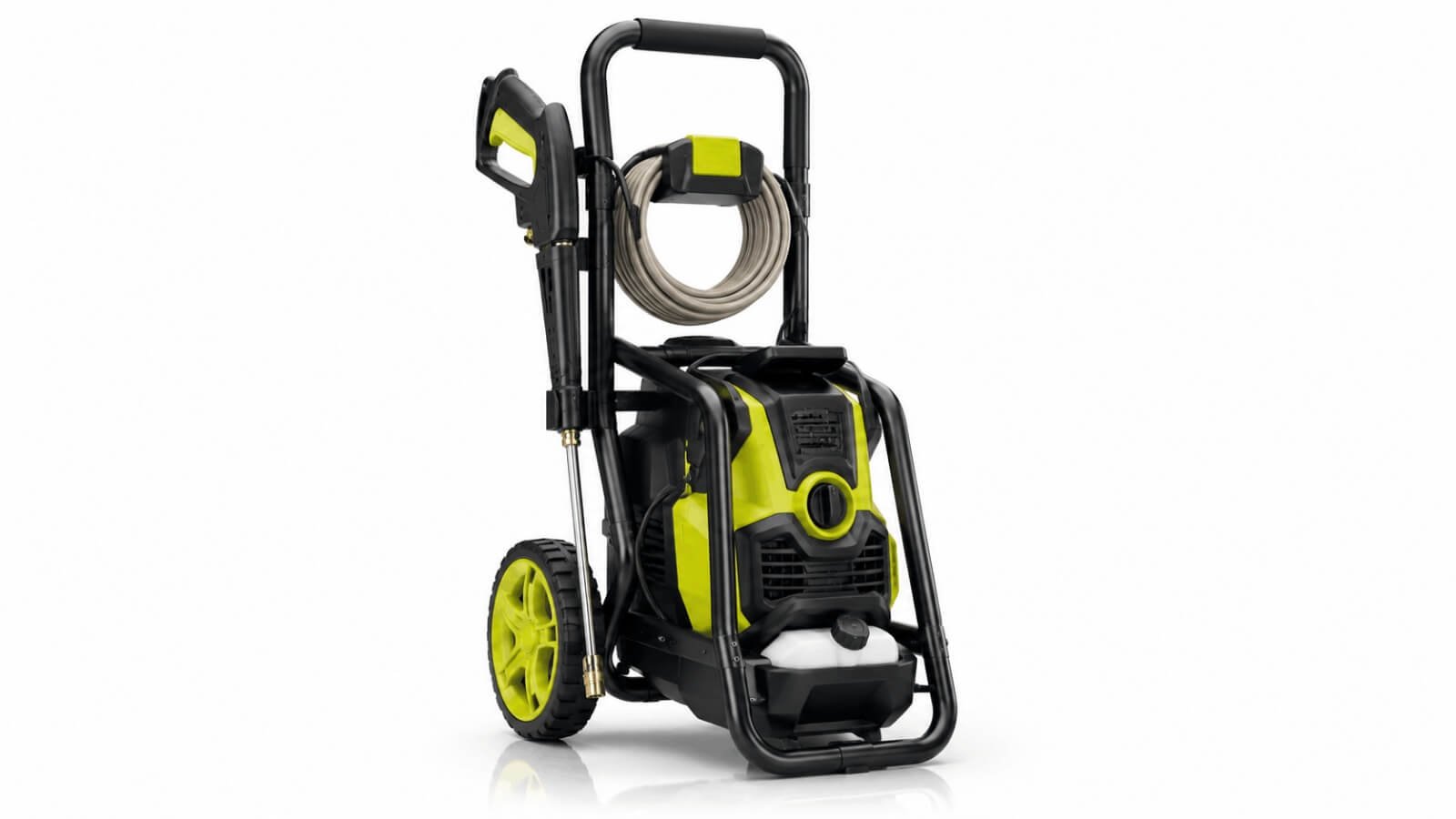
Enter the RYOBI 2500 PSI 1.2 GPM Electric Pressure Washer.
Engineered to bridge the gap between lightweight domestic sprayers and heavy industrial machines, this high-performance unit promises professional-grade electric cleaning power without the maintenance headaches of gas engines. In this comprehensive review, we will break down its technical specifications, core features, practical real-world applications, maintenance needs, and how it stacks up against top competitors.
Technical Specifications Overview
Feature / Specification | Details |
Brand & Model | RYOBI 2500 PSI Electric Pressure Washer |
Max Pressure Output | 2500 PSI (Pounds per Square Inch) |
Water Flow Rate | 1.2 GPM (Gallons per Minute) |
Cleaning Power Index | 3,000 Cleaning Units (PSI × GPM) |
Onboard Soap Tank Volume | 1 Gallon |
High-Pressure Hose | 25 ft. Reach Hose |
Power Source | Corded Electric |
Standards Met | EPA Compliant |
Item Weight | 40 lbs |
Included Accessories | 15° Nozzle, Soap Nozzle, Turbo Nozzle |
Why Choose the RYOBI 2500 PSI Electric Pressure Washer?
The electric pressure washer segment is crowded with entry-level machines delivering lower pressure. The RYOBI 2500 PSI 1.2 GPM model stands out by offering genuine medium-to-heavy residential cleaning capability powered purely by electricity. It eliminates common pain points associated with gas equipment:
- Instant Push-Button Start: No pull cords, chokes, or stubborn cold-weather engine starts.
- Zero Emissions & Quiet Operation: Ideal for enclosed patios, townhomes, and garages without exhaust fumes or excessive noise.
- Minimal Maintenance: No oil changes, spark plug replacements, fuel stabilizers, or carburetor rebuilds required.
Key Features & Product Performance
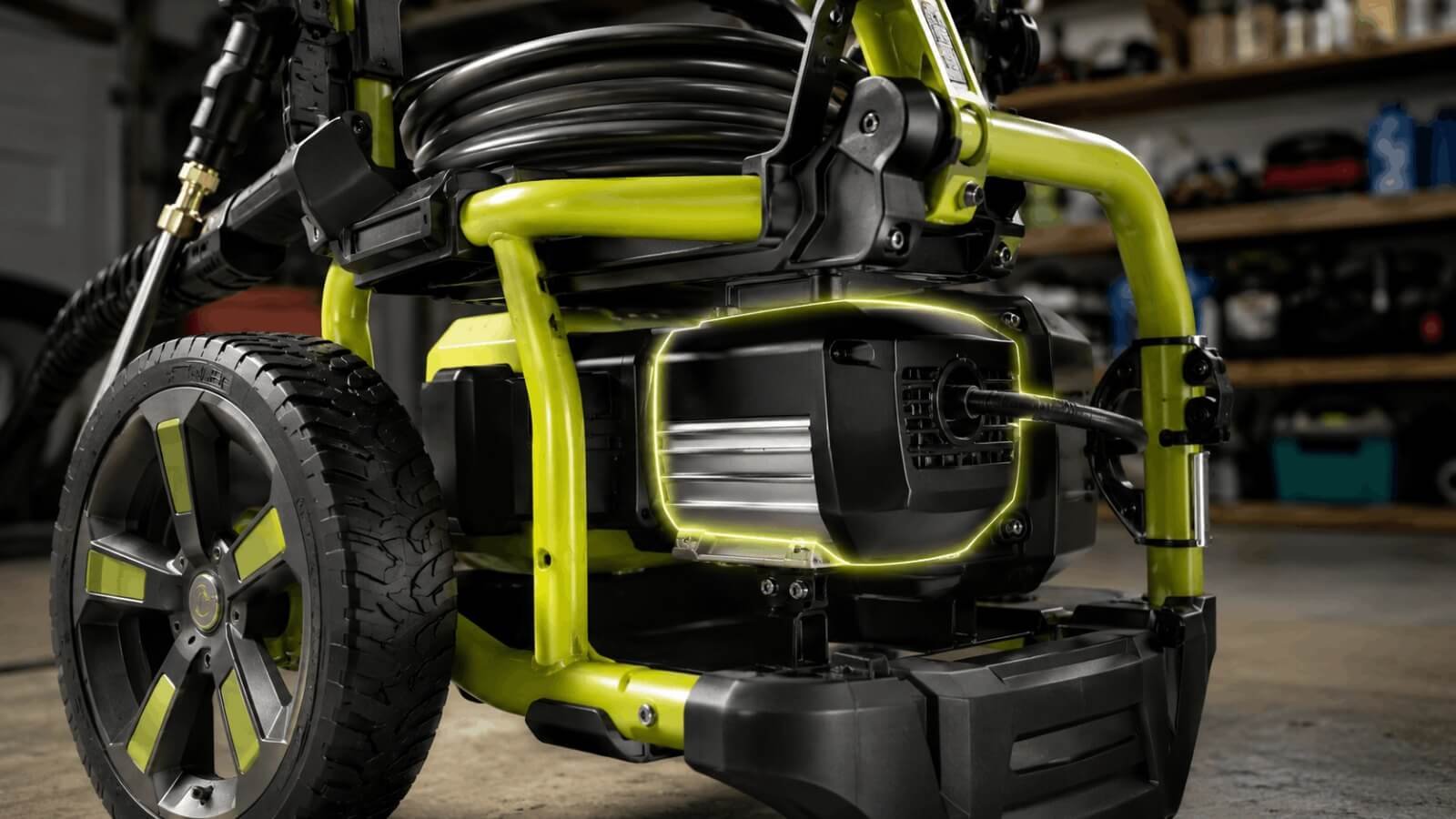
1. 2500 PSI Output with 1.2 GPM Flow Rate
Cleaning effectiveness relies on the combination of pressure (PSI) and water volume (GPM). Generating 3,000 Total Cleaning Units, this machine delivers ample impact force to dislodge compacted grime while remaining far more water-efficient than a standard outdoor spigot.
2. Integrated 1-Gallon Soap Tank
The built-in 1-gallon detergent tank lets you quickly apply foam cleaners, vehicle soaps, and surface degreasers without hauling external buckets around the yard.
3. Quick-Connect Pro-Grade Nozzles
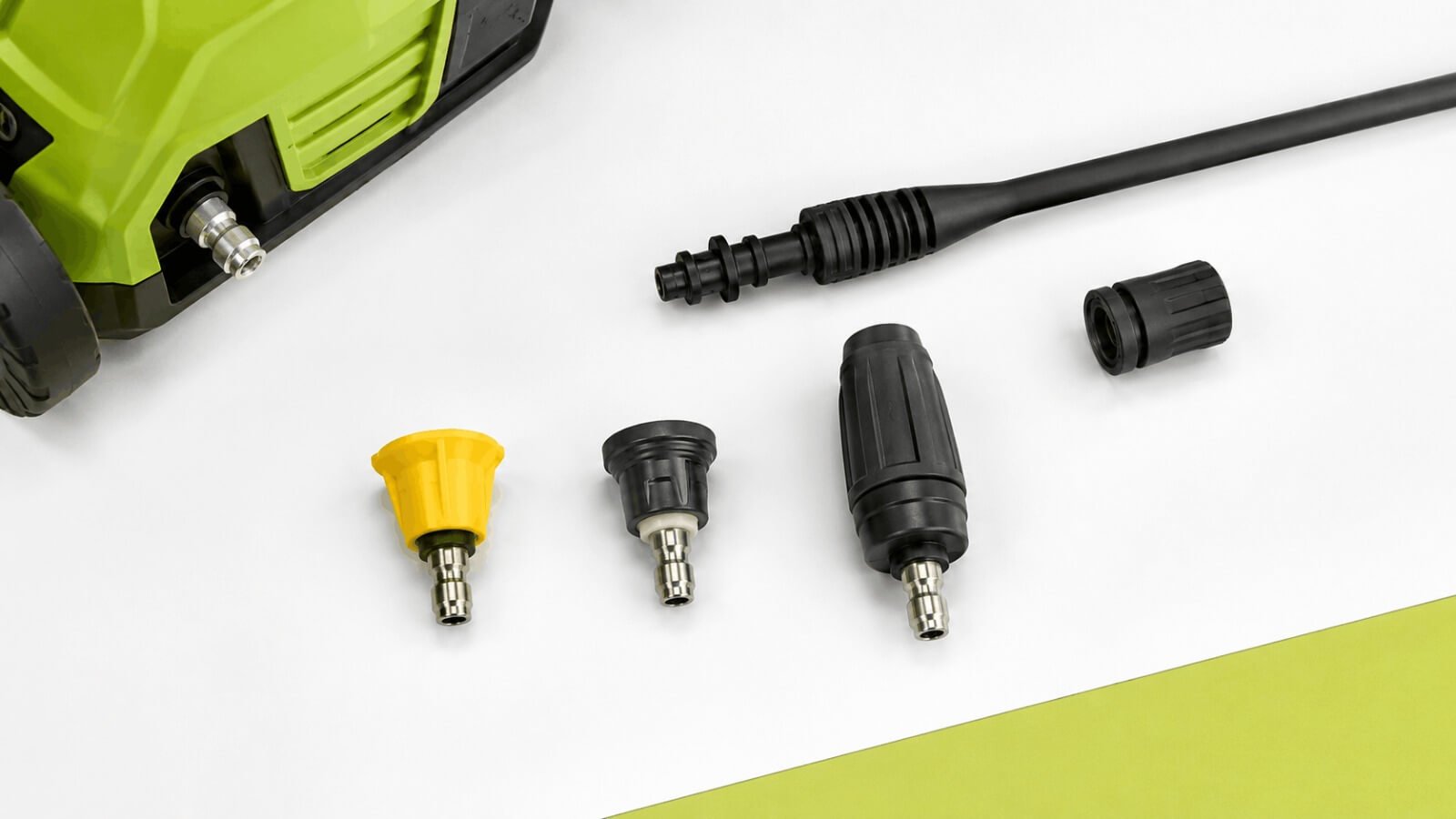
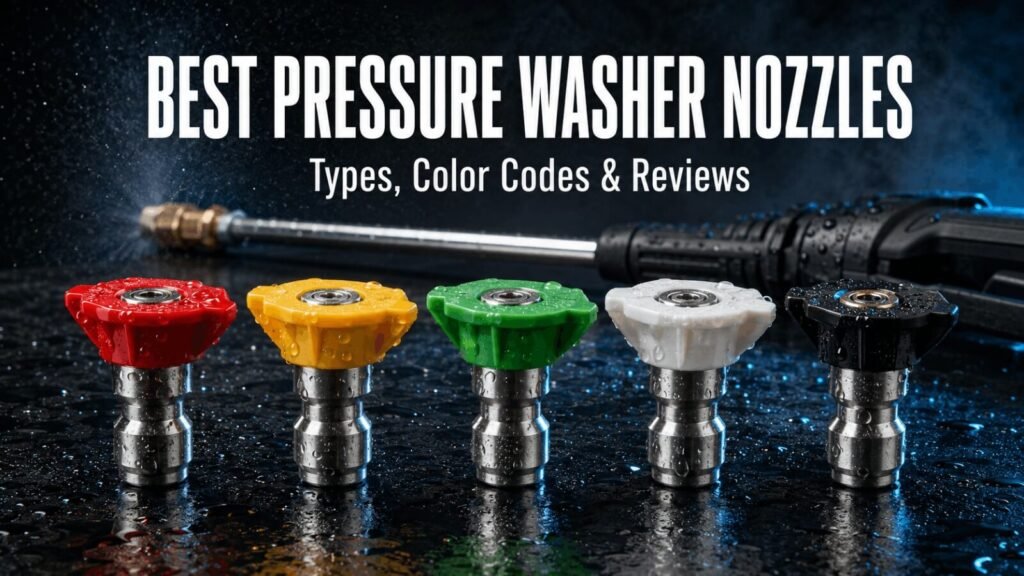
The included quick-connect nozzle set covers a variety of cleaning tasks:
- Turbo Nozzle: Employs an oscillating pinpoint stream for maximum circular cleaning impact—ideal for deep concrete stains and weathered brick.
- 15° Fan Nozzle: Provides a balanced spray pattern ideal for general surface stripping and house siding cleanup.
- Soap Applicator Nozzle: Siphons detergent directly from the onboard 1-gallon tank at low pressure.
Practical Applications: What Can You Clean?
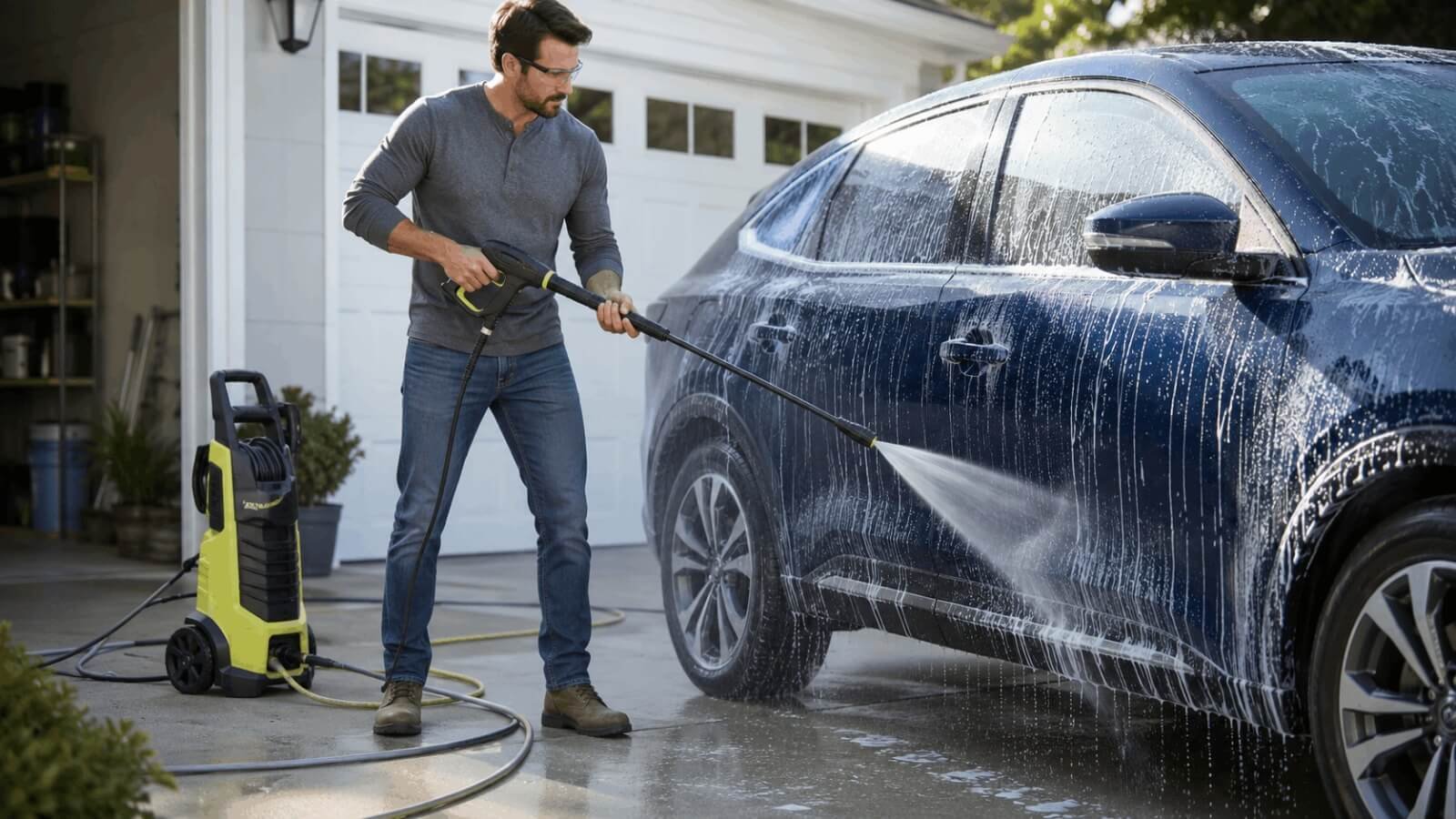
Automotive Care & Car Detailing
Electric pressure washers offer smooth, consistent pressure delivery. Paired with the low-pressure soap nozzle or an optional 40° wide-angle nozzle (sold separately), it applies cleaning foam evenly across paintwork.
Safety Tip: Maintain a distance of at least 2 to 3 feet from painted automotive panels and avoid targeting delicate trim pieces with narrow spray angles.
Concrete Driveways, Sidewalks, & Slabs
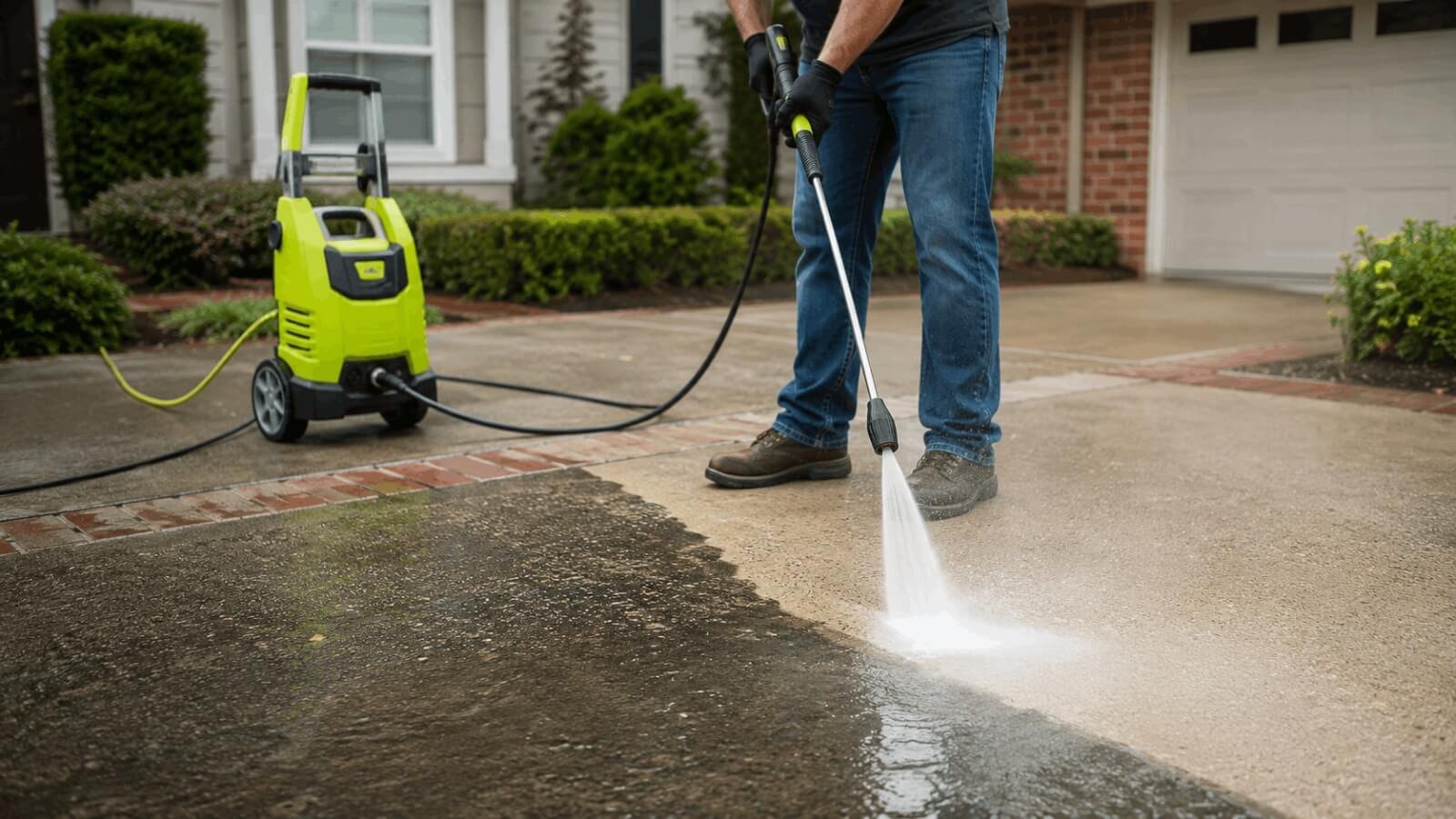
Porous concrete easily absorbs motor fluids, dirt, and algae. Utilizing the included Turbo Nozzle allows you to lift deep-seated grime and restore discolored walkways quickly.
Wood Decks, Fences, & Composite Surfaces
Softwoods can splinter easily under direct pressure. Always test an inconspicuous area first, starting at a conservative distance and moving closer only as needed to clean without damaging delicate wood grain.
House Siding & Soffits
With its combined cord-and-hose reach, this unit lets you easily maneuver around the property perimeter to strip pollen, bug nests, and mildew from vinyl siding and brick foundations.
RYOBI 2500 PSI vs. Market Competitors
Feature | RYOBI 2500 PSI | Greenworks Pro 2300–2500 | Typical Gas 2500 PSI |
Power Source | Electric | Electric | Gas Engine (4-Stroke) |
Max Pressure | 2500 PSI | 2300–2500 PSI | 2500 PSI |
Flow Rate | 1.2 GPM | 1.2 GPM | 2.3 GPM |
Maintenance | Minimal | Minimal | Oil, Filters, Fuel Prep |
Total Weight | 40 lbs | ~45 lbs | 65–75 lbs |
Best Used For | Home & Auto Care | Residential DIY | Heavy Commercial Work |
Operating Instructions & Winterization Guide
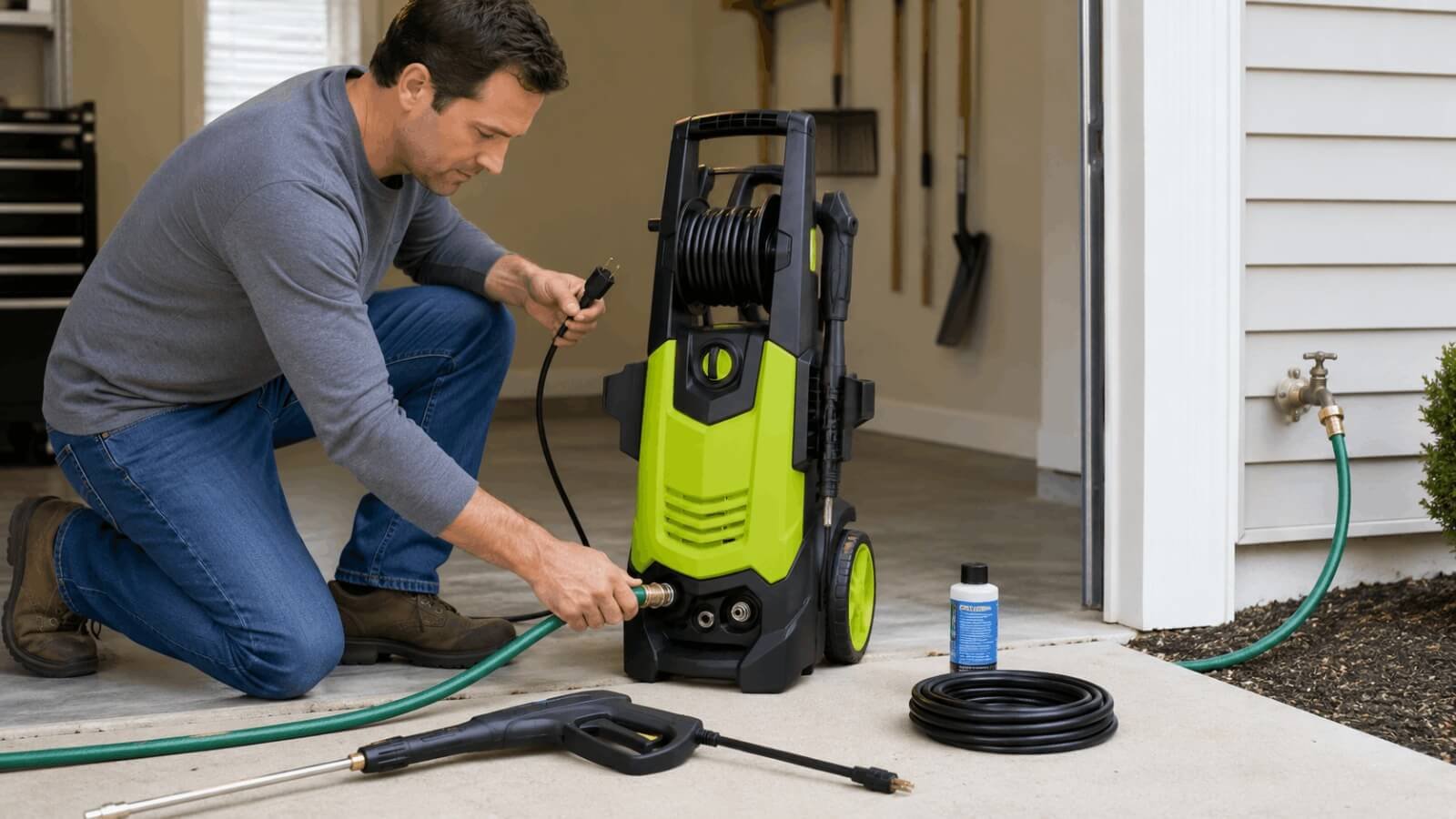
1.Connect Water Source:Check for leak-free connections.
Attach a standard 5/8-inch garden hose securely to the water inlet on the unit and turn on the water spigot fully.
2.Purge Trapped Air:Prevents pump cavitation.
Before connecting to electrical power, squeeze the spray gun trigger for 30–45 seconds until a steady, continuous stream of water flows out of the wand.
3.Power On:Direct wall outlet recommended.
Plug the power cord directly into a grounded outdoor receptacle and turn the power dial to the ON position.
4.Winterization & Storage:Protect internal seals from freezing.
Flush the detergent system with fresh water for 60 seconds after using soap. Disconnect hoses, squeeze the trigger to drain remaining internal water, and apply an aerosol pump protector before cold-weather storage.
Pros and Cons
Pros:
- Zero Gas Maintenance: No fuel mixing, oil checks, or spark plug replacements.
- Lightweight Frame: At only 40 lbs, it is easy to transport around yards and up deck stairs.
- Versatile Soap System: Integrated 1-gallon onboard tank streamlines foam application.
- Included Turbo Tip: Accelerates deep cleaning on hard concrete surfaces.
Cons:
- 1.2 GPM Flow Rate: Slower rinsing speed compared to high-volume commercial gas models.
- Electrical Outlet Bound: Requires proximity to a functional outdoor power source.
Frequently Asked Questions (FAQs)
Q1. Can I use an extension cord with the RYOBI 2500 PSI pressure washer?
The official manual recommends plugging the power cord directly into a wall outlet. If an extension cord is strictly unavoidable, use only a heavy-duty 12-AWG outdoor-rated cord no longer than 25 feet. Extension cords measuring 50 feet or longer are not permitted due to severe risk of voltage drop and motor damage.
Q2. Is 2500 PSI safe for washing cars?
Yes, when used with the low-pressure soap nozzle or an optional compatible 40° wide fan nozzle at a safe distance (2–3 feet). Never use the 0° red tip or Turbo Nozzle on vehicle paint or glass.
Q3. Can I feed hot water into this unit?
No. The RYOBI 2500 PSI pressure washer is designed strictly for cold-water use below 104°F (40°C). Feeding hot water into the intake will warp internal pump seals.
Final Verdict: Is the RYOBI 2500 PSI Worth Buying?
For homeowners wanting strong cleaning performance without the noise, fumes, and ongoing maintenance of gas engines, the RYOBI 2500 PSI 1.2 GPM Electric Pressure Washer is a dependable choice. Its manageable 40 lb weight, high-impact Turbo Nozzle, and built-in 1-gallon soap tank make it a practical tool for residential upkeep—from driveway scrubbing to automotive maintenance.
Helpful Resources
- Official RYOBI 2500 PSI 1.2 GPM Pressure Washer Product Page
- RYOBI RY142500 Support, Manuals and Repair Information
- Download the RY142500 Operator’s Manual
- Official RYOBI Pressure Washer Pump Protector
- Official RYOBI Foam Blaster Attachment
- RYOBI Warranty Information
- RYOBI Service and Repair Support
- CDC Pressure Washer Safety Guidelines