Choosing the Best Pressure Washer for Home Use can be confusing when product pages lead with PSI, GPM, motor type, pump design, hose length, and a bundle of colored nozzles. The biggest number on the box is not automatically the best choice. A concentrated spray can damage paint, wood, siding, and even some concrete.
Quick answer: For most routine home jobs, begin with a corded electric model. In its 2026 hands-on roundup, Popular Mechanics named the Greenworks 2,700-PSI electric washer its best overall electric pick and the Sun Joe SPX3000 its best value. The Sun Joe’s manufacturer lists 2,030 rated PSI and 1.2 rated GPM; Greenworks lists its model’s maximum 2,700 PSI at 1.2 GPM and a maximum flow of 2.3 GPM at 100 PSI. Those figures show why it is important to compare operating conditions, not headline numbers alone. See the publication’s electric washer testing and picks and the Greenworks specifications and Sun Joe specifications.
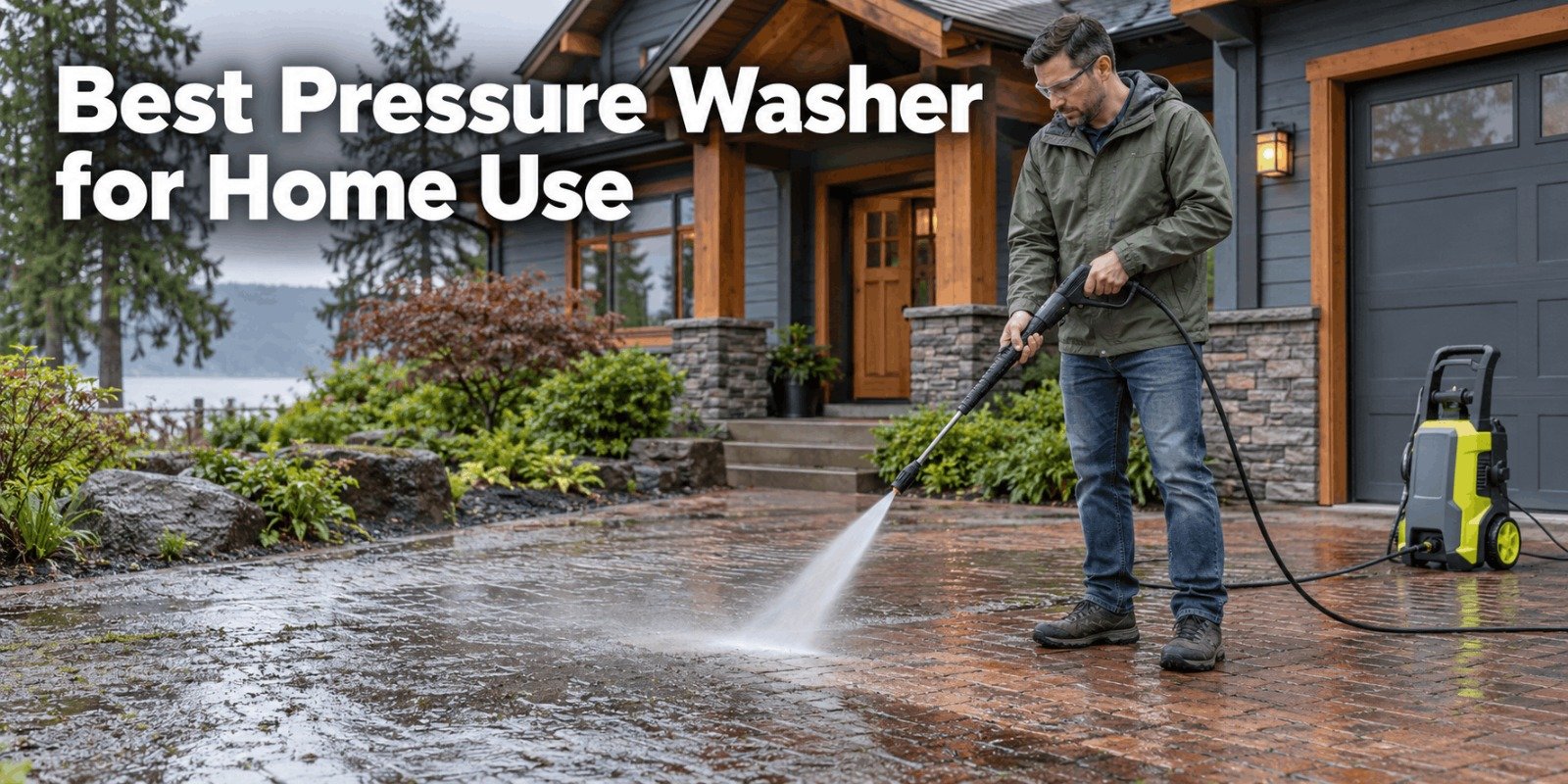
These are third-party picks, not tests performed by PressureWasherWise. The right choice for your home still depends on the surfaces you clean, the size of the area, storage, available power and water, and how often you expect to use the washer. That context matters when choosing the best pressure washer for home use.
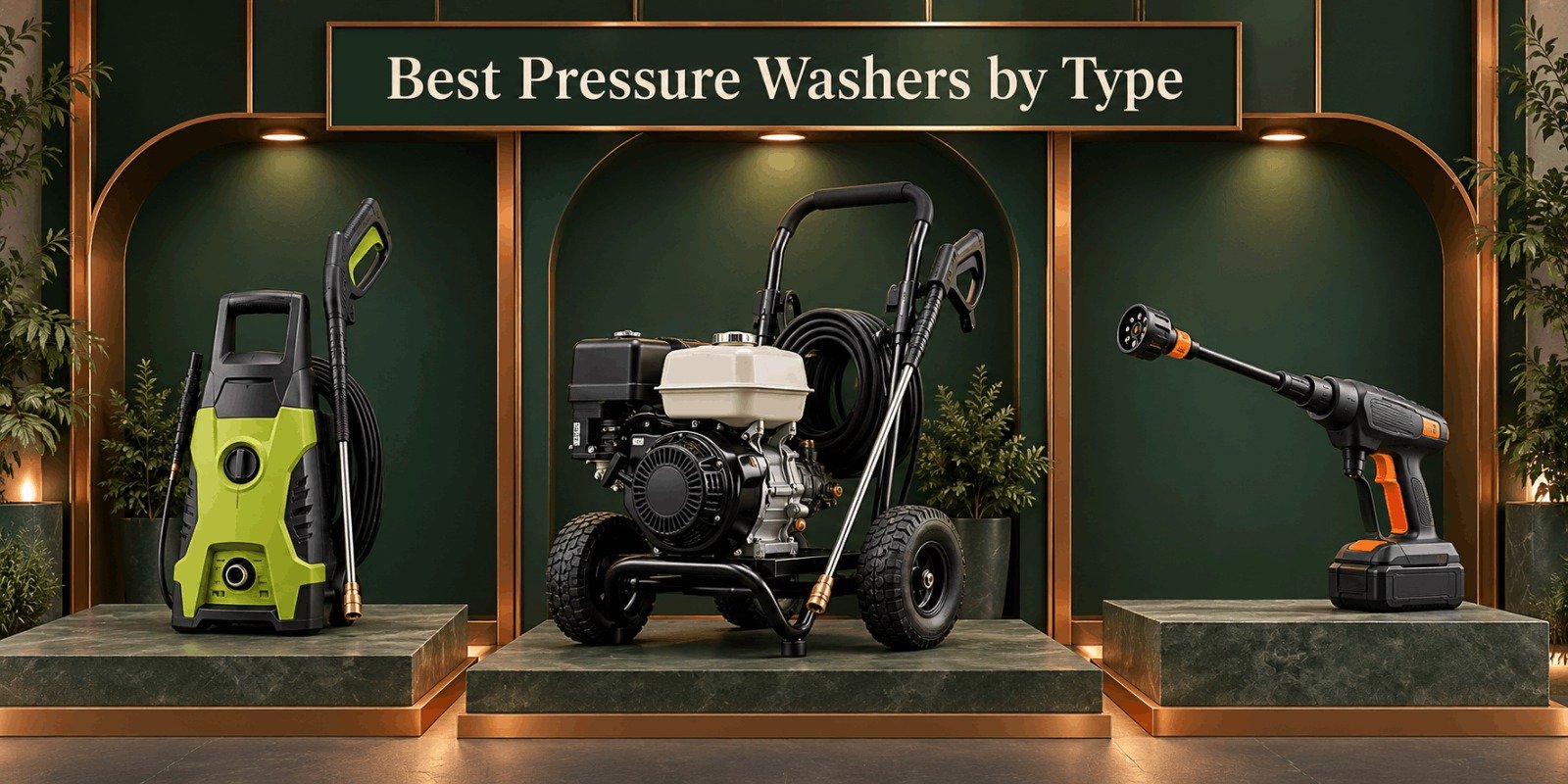
Best Pressure Washer for Home Use: Shortlist by Type
| Option | Best suited to | What to know |
|---|---|---|
| Greenworks Pro 2,700-PSI electric washer | Homeowners who want stronger corded electric performance for larger or tougher regular jobs | Popular Mechanics selected it as its best overall electric model after hands-on testing. Greenworks specifies 2,700 max PSI at 1.2 GPM, with 2.3 GPM at 100 PSI. It may be more machine than needed for occasional light rinsing. |
| Sun Joe SPX3000 | Value-focused buyers doing common patio, car, furniture, and walkway jobs | Popular Mechanics named it best value. Sun Joe lists 2,030 rated PSI and 1.2 rated GPM, plus two detergent tanks. Use a gentle nozzle and technique on delicate surfaces. |
| Gas pressure washer | Larger properties or frequent heavy cleaning where higher flow and freedom from a power cord matter | Compare the exact model’s rated PSI and GPM. Gas adds engine care, fuel handling, noise, and carbon-monoxide risk; it is not automatically a better fit for a typical home. |
| Cordless pressure washer | Portable rinsing of bikes, tools, outdoor items, and small messes away from an outlet | Battery runtime and water supply limit the work it can do. It is usually not a replacement for a corded or gas washer on a large driveway. |
Model prices and availability change. Before buying, verify the model number, specifications, warranty, accessories, and current seller details. If you want a wider comparison, see our 2026 top-rated pressure washer roundup. That page should also identify how its models were selected and whether they were independently tested. Keep it in mind while you shop for the best pressure washer for home use.
Which Type Is Right for Your Home?
Electric pressure washer for home use
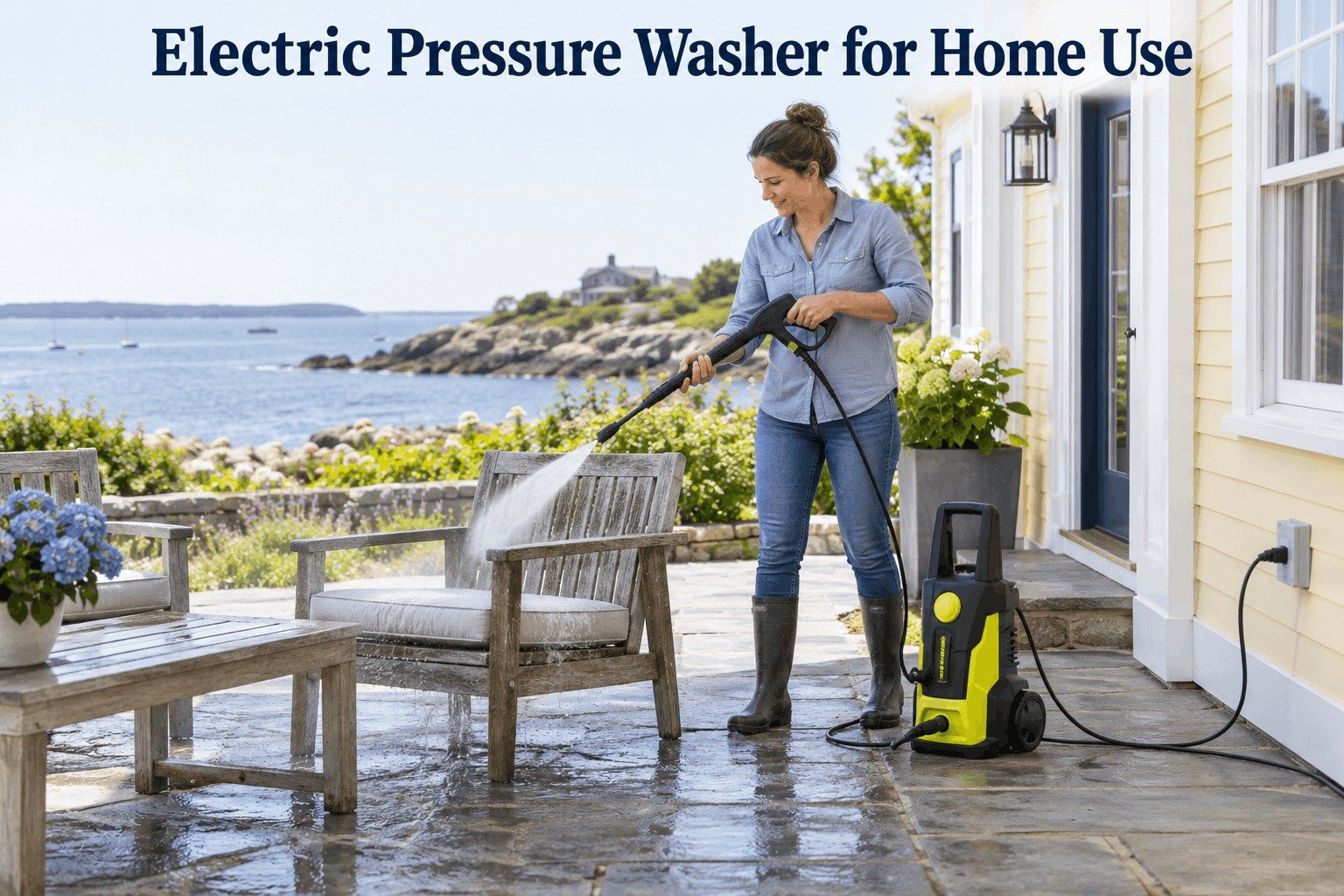
A corded electric washer is a practical starting point for routine jobs such as rinsing a car, cleaning outdoor furniture, washing bins, and refreshing a small patio or walkway. It starts without a gas engine, is often lighter and quieter than gas equipment, and usually requires less engine maintenance. It is one more factor in finding the best pressure washer for home use.
Its limits are reach and workload. A corded model needs a suitable outdoor outlet and a water supply that meets the washer’s requirements. A low-flow faucet, kinked inlet hose, or clogged filter can reduce performance. A small unit can also take longer on a wide driveway or heavily soiled surfaces. For most households, the best pressure washer for home use is the one that matches the actual job.
Check the electrical rating, cord length, required ground-fault protection, hose connections, warranty, and manual before choosing. Do not assume that any extension cord is safe; use one only if the manufacturer permits it and specifies the required type and rating. This is why the best pressure washer for home use is rarely the most powerful one.
Gas pressure washer
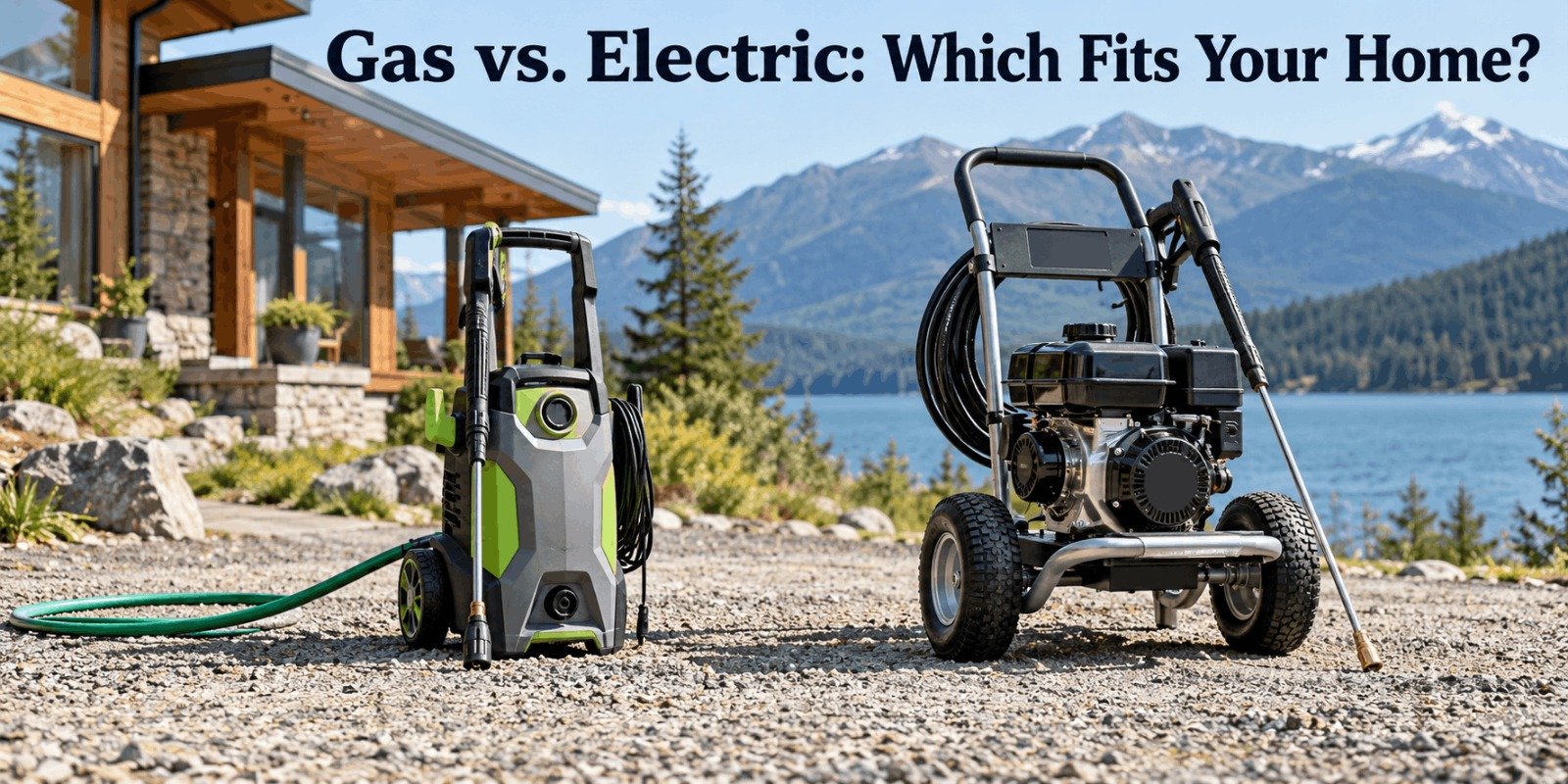
A gas washer may fit a large driveway, long fence, or repeated heavy cleaning where faster coverage and freedom from a power cord are useful. Some gas models offer higher flow, which can help rinse broad areas. Check the pressure and flow ratings for the exact model and task. Use this as a checkpoint before settling on the best pressure washer for home use.
Gas equipment is usually heavier and louder. It also needs fuel and engine maintenance, and it produces carbon monoxide. It must be operated outdoors, away from doors, windows, and vents. For occasional light cleaning, the extra output may not justify its maintenance and storage needs. It helps explain what makes the best pressure washer for home use practical rather than flashy.
For a fuller side-by-side discussion, read our electric vs. gas pressure washer guide.
Cordless pressure washer
Battery-powered washers are useful as portable cleaning tools. They can rinse a bicycle, muddy tools, outdoor cushions, or camping equipment when a hose or outlet is not nearby. Some draw water from a bucket or container, which can be helpful where no tap is available. Think about this whenever you compare options for the best pressure washer for home use.
Check the battery runtime, charging time, water-source options, rated pressure, and flow. A short portable rinse is a different job from cleaning a full driveway. For larger areas, a cordless model may run out of battery or water before the work is done. This detail often separates the best pressure washer for home use from a poor fit.
Pressure Washer PSI and GPM Explained
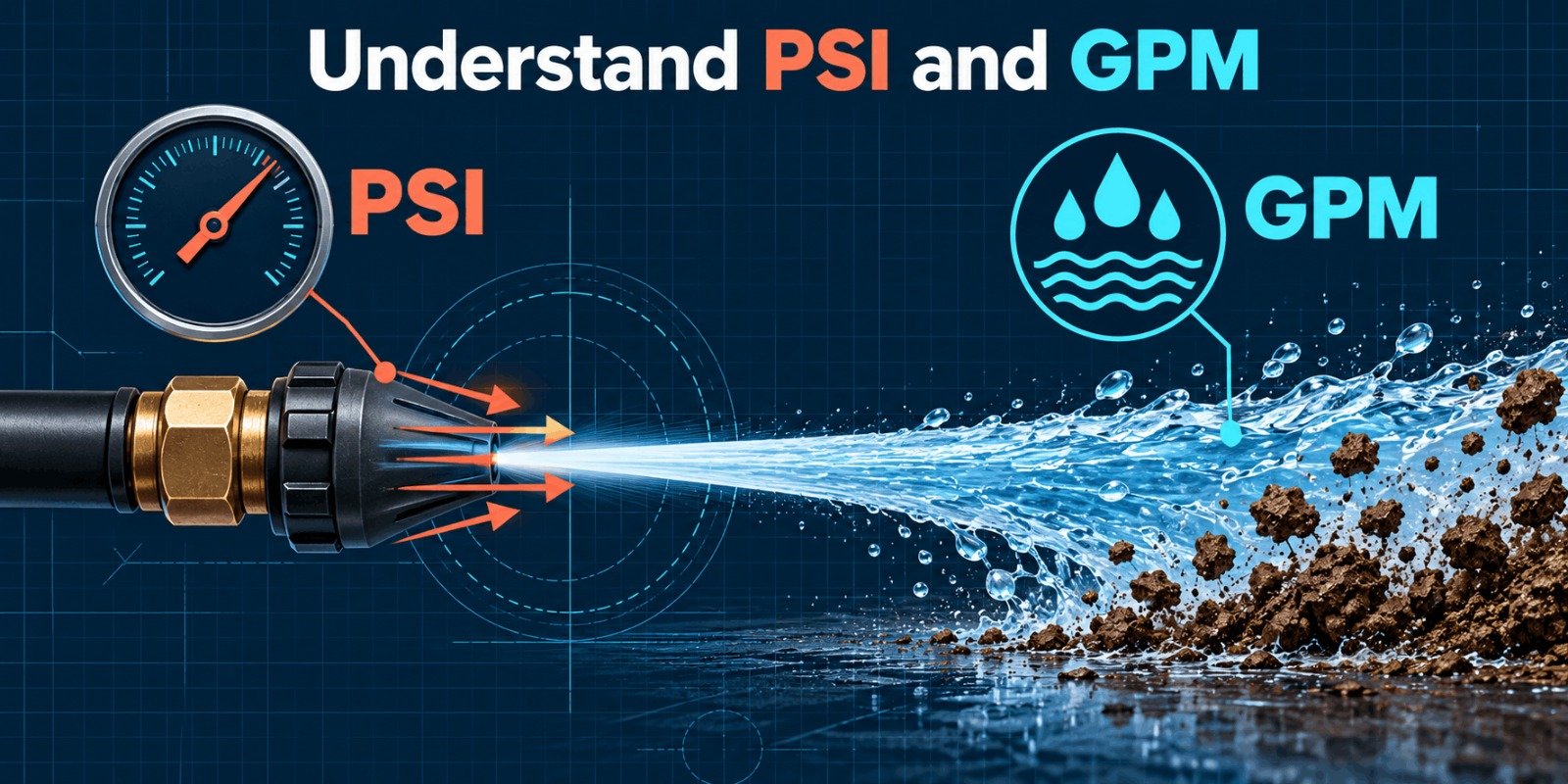
PSI means pounds per square inch. It describes water pressure, which helps loosen dirt. GPM means gallons per minute. It describes water flow, which carries loosened grime away and rinses the surface. Both matter, but the right combination depends on the work and the surface. Apply this idea to any shortlist for the best pressure washer for home use.
Compare rated working pressure and flow where possible. Some product pages advertise maximum PSI and maximum GPM measured under different conditions. For example, Greenworks lists its 2,700-PSI model at 1.2 GPM at maximum pressure, while the 2.3-GPM maximum flow is measured at 100 PSI. A single headline pairing “2,700 PSI and 2.3 GPM” can therefore give an incomplete picture unless the operating conditions are clear. It is a useful rule when looking for the best pressure washer for home use.
Some brands calculate “cleaning units” by multiplying PSI by GPM. This can be a rough comparison, but it does not fully describe cleaning speed, surface safety, build quality, or pump life. A wider flow may rinse a large area faster; pressure still needs to be controlled to avoid damage. SIMPSON’s PSI and GPM explanation describes the separate roles of pressure and water flow. This is central to picking the best pressure washer for home use safely.
The water supply also matters. Follow the owner’s manual for inlet temperature, hose size, and required supply. Keep the inlet filter clean, avoid kinks, and stop if the machine pulses or the supply is inadequate. Never run the pump dry. Weigh this carefully when you decide on the best pressure washer for home use.
Choosing a Washer for Cars, Driveways, Decks, and Siding
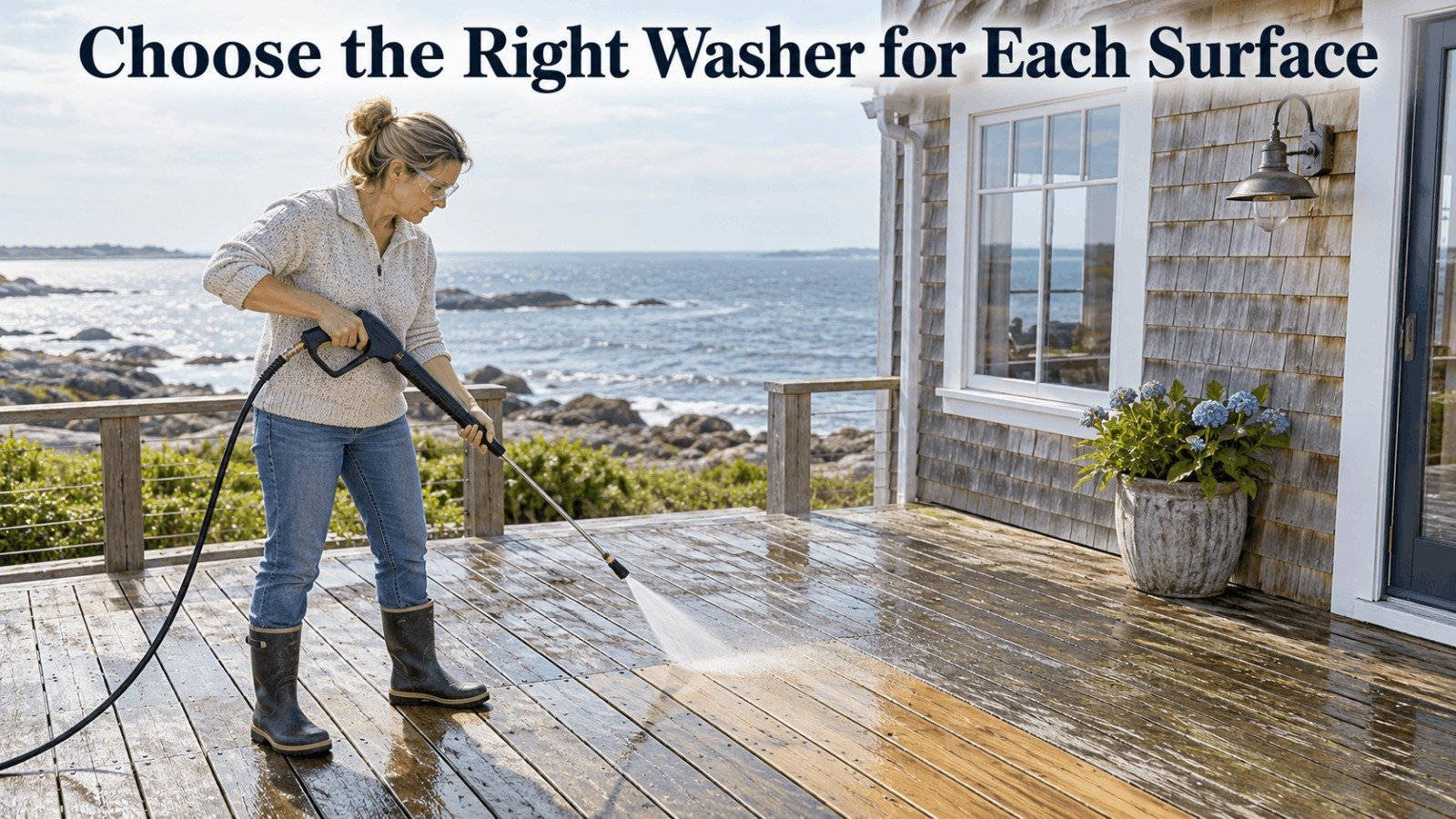
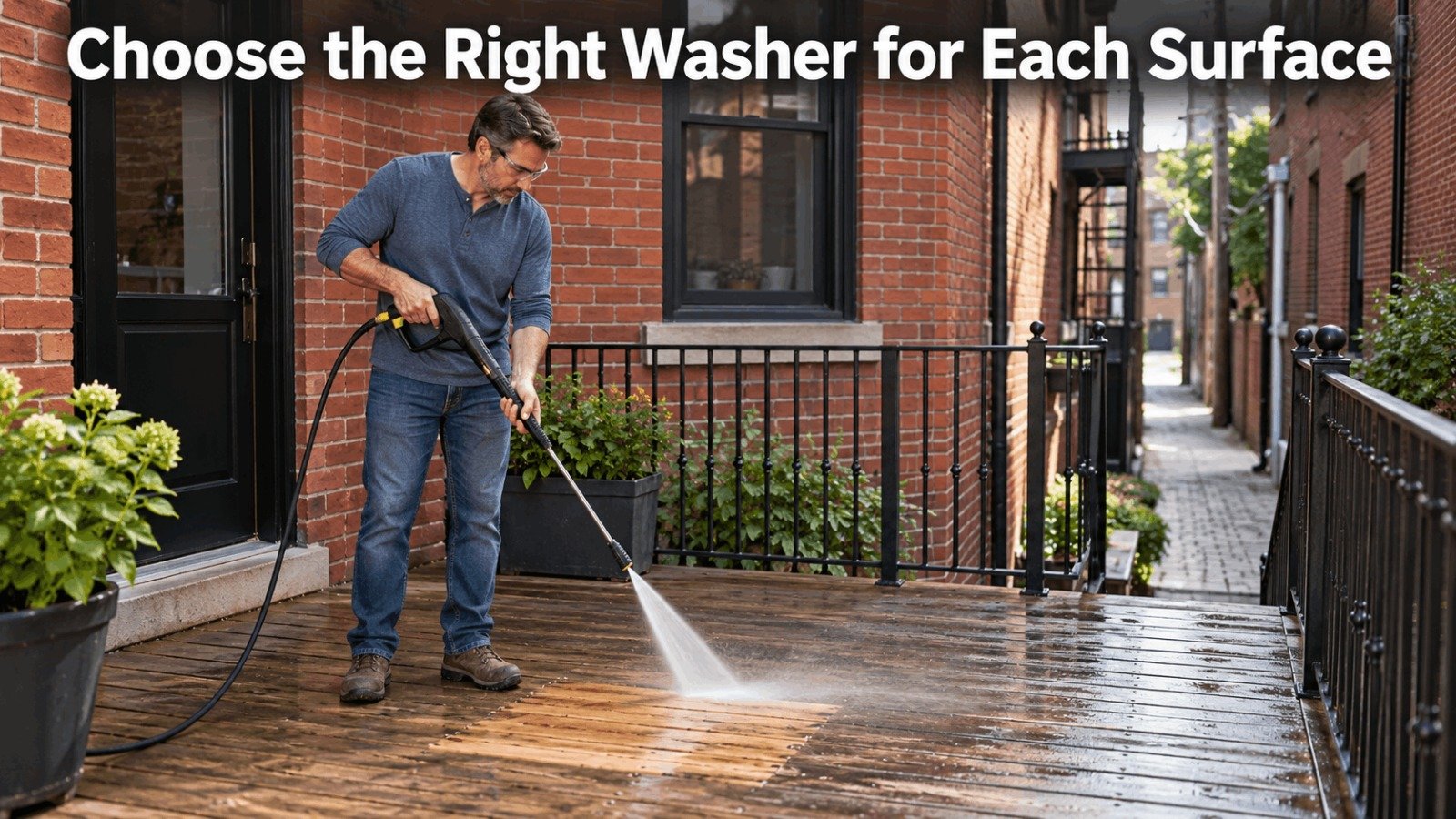
A single washer can handle multiple tasks, but the nozzle, detergent, distance, and technique should change with the surface. Always check the surface manufacturer’s care advice and test a small, hidden area first.
| Home job | What matters | Careful starting approach |
|---|---|---|
| Car washing | Control, a broad spray, car-safe soap, and hose reach | Pre-rinse with a wide spray from a distance. Avoid close or concentrated spray on tires, damaged paint, seals, sensors, and electrical parts. Pressure washing does not replace careful hand washing. |
| Small patio or walkway | Manageable weight and enough flow to rinse | Test a hidden area. Keep the wand moving. Use a surface cleaner only if it is compatible with the washer. |
| Large driveway | Water flow and even coverage | Compare a higher-flow model and consider a compatible surface cleaner. Weak, cracked, decorative, or stained concrete may mark. |
| Wood deck | Wood condition and a gentle method | Start with a wide spray at a distance. Test a hidden board. Consider detergent or brushing before increasing pressure. |
| House siding | Spray direction, reach, and protection of openings | Follow the siding maker’s instructions. Avoid spraying upward behind panels or into vents, windows, and fixtures. |
| Furniture and bins | Material type and soap compatibility | Use a mild approach first. Plastic, wicker, coatings, and painted surfaces can mark or strip. |
For cars, the goal is to loosen and rinse dirt, not force water into seams or strip a finish. Concrete is generally more tolerant than painted wood, but it is not indestructible. A surface cleaner can make compatible flat surfaces more even, but its pressure and flow requirements must match the washer. In short, the best pressure washer for home use fits your space, your jobs, and your comfort level.
Accessories Worth Checking
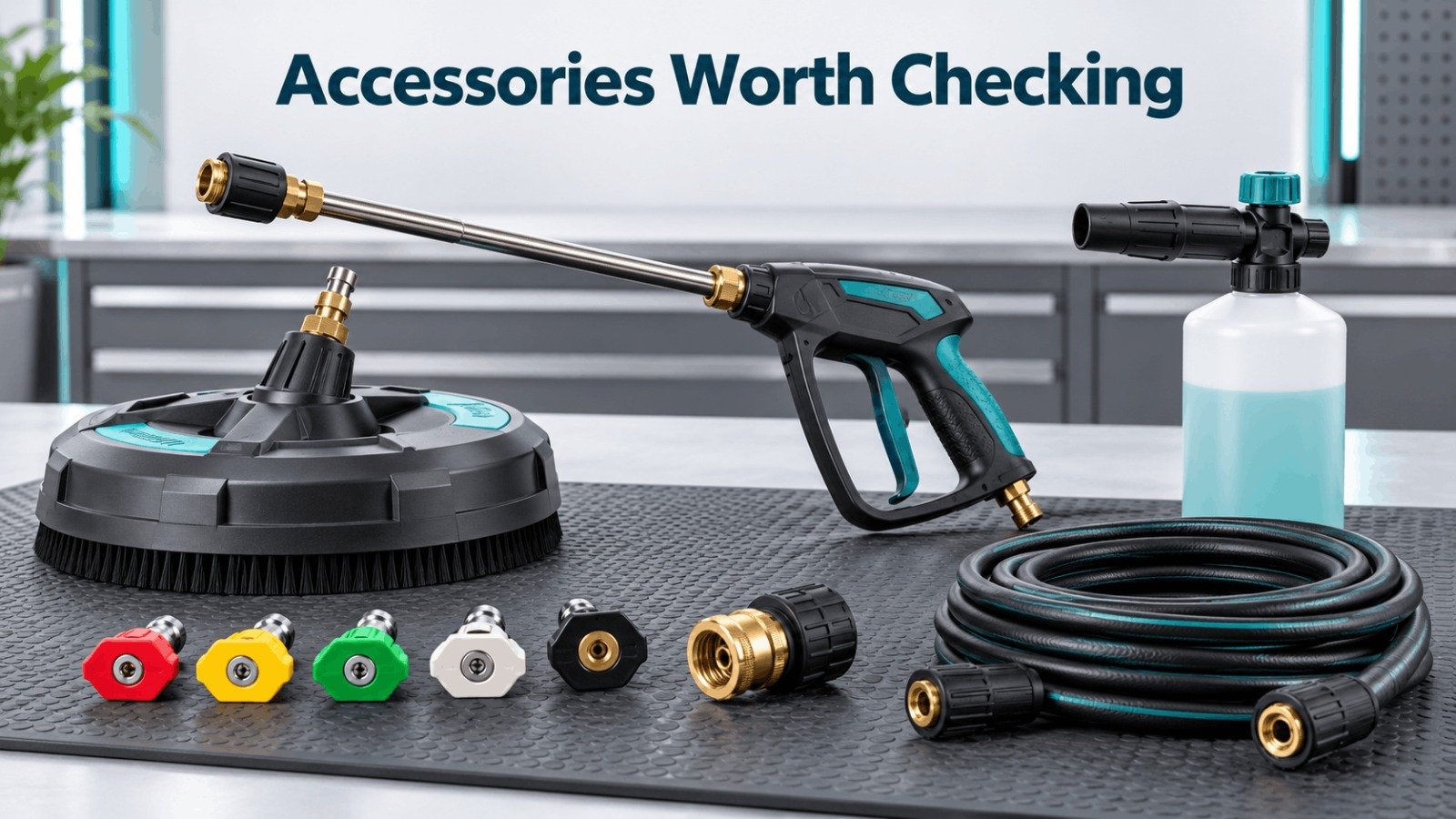
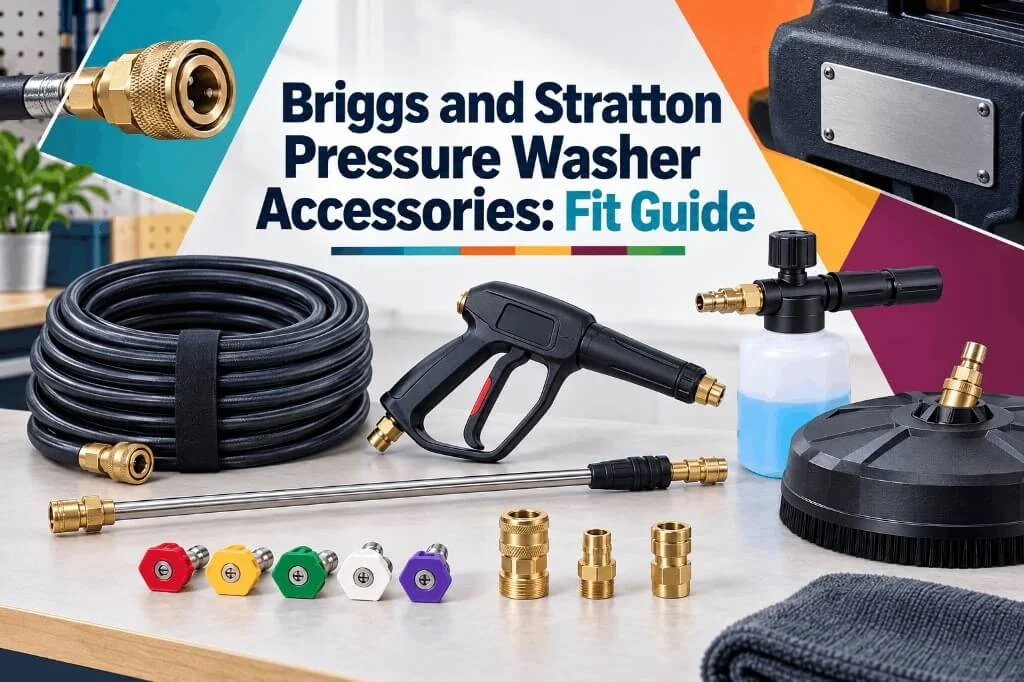
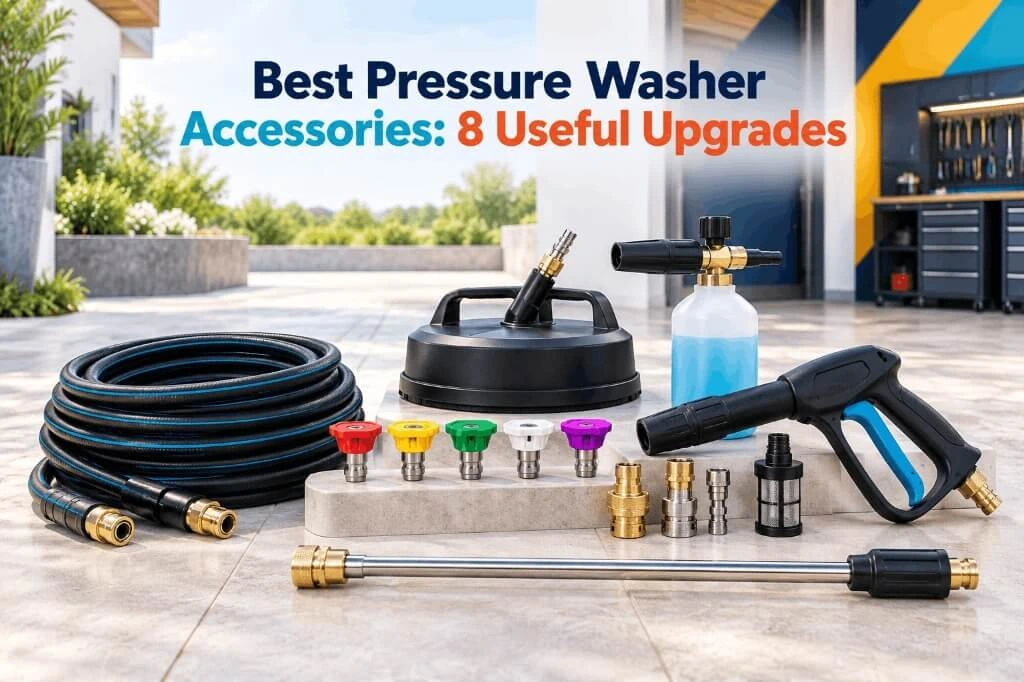
Accessories should match the pressure, flow, connector, and intended use of the washer. A fitting that looks similar may not lock securely or be rated for the machine.
A wide fan nozzle is useful for controlled rinsing. A narrower spray concentrates more force and can etch concrete, splinter wood, strip paint, or damage seals. A rotating turbo nozzle can be aggressive; use it only on suitable hard surfaces and follow the instructions. Never use a narrow jet on people, pets, tires, or delicate surfaces.
A compatible surface cleaner can speed up work on broad, flat areas. A detergent tank or soap applicator can apply pressure-washer-safe cleaner, but soap does not make every surface safe for high pressure. Follow the detergent label and washer manual. Do not add bleach or household cleaners unless the manufacturer specifically approves that product and method.
Consider hose length, hose storage, spray-gun connections, nozzle storage, and replacement parts. Check the warranty and local service availability before choosing a model that may be difficult to repair.
Common Buying and Use Mistakes
- Choosing by PSI alone. Pressure does not tell you the whole story. Check flow and the conditions under which the manufacturer measured each specification.
- Buying for a rare heavy-duty job. A large gas unit can be difficult to store and maintain if you only need occasional light cleaning. Choose around your regular work.
- Starting too close to the surface. A concentrated jet can damage wood, concrete, paint, and seals. Begin with a wider spray, keep distance, and test a hidden spot.
- Expecting force to remove every stain. Grease, algae, and embedded dirt may need an approved cleaner, dwell time, or brushing. Moving closer is not a safe substitute for the right method.
- Ignoring water supply. A restricted hose, weak faucet, or clogged inlet filter can cause poor performance. Check the manual before assuming the machine is defective.
- Using unapproved soap. The wrong chemical can damage the washer, finish, or nearby plants. Use a cleaner labeled for pressure washers and for the surface.
- Adding incompatible hoses or fittings. Confirm pressure rating and connector type before attaching accessories.
- Skipping storage and maintenance. Follow the manual for flushing, draining, freeze protection, fuel, and engine care.
Pressure Washer Safety
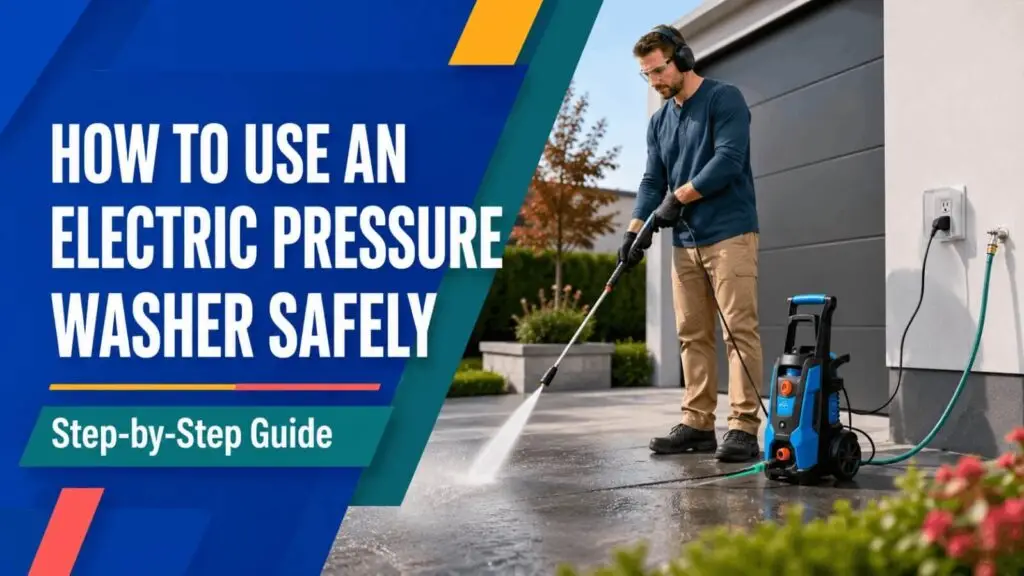
A pressure washer is a power tool. Its spray can break skin, inject water or debris, and cause a serious wound that may look minor. Wear safety glasses and closed-toe shoes, keep people and pets away, hold the spray gun securely, and never point it at anyone. If a high-pressure jet punctures skin, seek medical care promptly. The CDC pressure washer safety guidance warns that these wounds can be more serious than they first appear.
Keep electric plugs and connections out of standing water. Follow the manual’s electrical and ground-fault protection instructions, inspect cords before use, and do not bypass a breaker or damaged safety feature. Stop using the machine if the cord, plug, hose, or gun is damaged.
Gas-powered washers produce carbon monoxide. The CDC says never operate them in an enclosed space or within 20 feet of a window, door, or vent. Do not use one in a house, garage, shed, or partly enclosed space, even if a door is open.
Do not use a pressure washer while standing on a ladder; recoil can upset your balance. Use a manufacturer-approved extension wand from stable ground or hire a professional for high or difficult areas. Avoid spraying electrical fixtures, windows, loose siding, roof shingles, people, or animals. Follow the washer manual, detergent label, and surface maker’s instructions.
A Simple Buying Checklist
- List the regular jobs. Note the surfaces, area size, and how often you will clean them.
- Select a power type. Choose corded electric for routine jobs near an outlet, gas for frequent large-area work, or cordless for portable rinsing.
- Compare the real specifications. Check rated PSI and GPM, the pressure at which flow is measured, water-supply requirements, cord or engine needs, hose length, and warranty.
- Check the package. Confirm included nozzles, detergent system, spray gun, hose, and connectors suit your work. Match any surface cleaner to the washer.
- Plan storage and care. Make sure the machine, hoses, and fuel (if applicable) can be stored safely and that you can follow maintenance instructions.
- Confirm the current model details. Prices, bundles, and availability change. Verify the exact model number, manufacturer specifications, warranty, and seller before ordering.
Frequently Asked Questions
What PSI is enough for home use?
There is no single ideal PSI for every household or surface. Good Housekeeping describes roughly 1,600 to 2,300 PSI as a common range for electric washers used on cars and furniture, while also emphasizing that flow matters. Treat ranges as a starting point, not a universal rule; check the surface maker’s guidance and the washer’s operating specifications.
Is an electric or gas pressure washer better for a house?
Electric is often easier for routine jobs such as cars, outdoor furniture, small patios, and bins. Gas can suit large areas and frequent heavy cleaning, but it requires fuel and engine care and must be used outdoors because of carbon-monoxide risk.
Can I use a pressure washer on my car?
Yes, if you use a broad spray at a safe distance, car-safe detergent, and the vehicle maker’s care advice. Avoid directing a concentrated jet closely at tires, damaged paint, sensors, seals, and electrical components.
Is a cordless pressure washer enough for a driveway?
It may rinse a small area, but battery runtime, water access, and flow can limit work on a full driveway. Compare the exact model with the size and soil level of the area.
Should I buy a surface cleaner?
It can help clean broad, flat surfaces more evenly than a wand alone. Check its pressure and flow requirements against your washer and use it only on surfaces suitable for pressure washing.
Can I use regular household soap?
Use a detergent labeled for pressure washers and for the surface you are cleaning. Household cleaners may damage the machine, leave residue, or harm plants and finishes.
Can I use a gas pressure washer in a garage with the door open?
No. Gas engines produce carbon monoxide. Operate the machine outdoors and keep it at least 20 feet from doors, windows, and vents, as CDC guidance advises.
Conclusion
For many households, a corded electric pressure washer offers a useful balance of ease, upkeep, and cleaning ability. The Greenworks Pro 2,700-PSI model is a stronger electric option named in a 2026 hands-on roundup, while the Sun Joe SPX3000 was that publication’s value pick. A gas washer can suit a larger property or frequent heavy cleaning; cordless models work best for smaller portable jobs.
Before choosing the Best Pressure Washer for Home Use, match the machine to your regular tasks, compare PSI and GPM under their stated conditions, and check the safety instructions and compatible accessories. Start gently on every surface and adjust only when the material can handle more force.